
Well Water Insights | Resources
Lender-ready well water testing
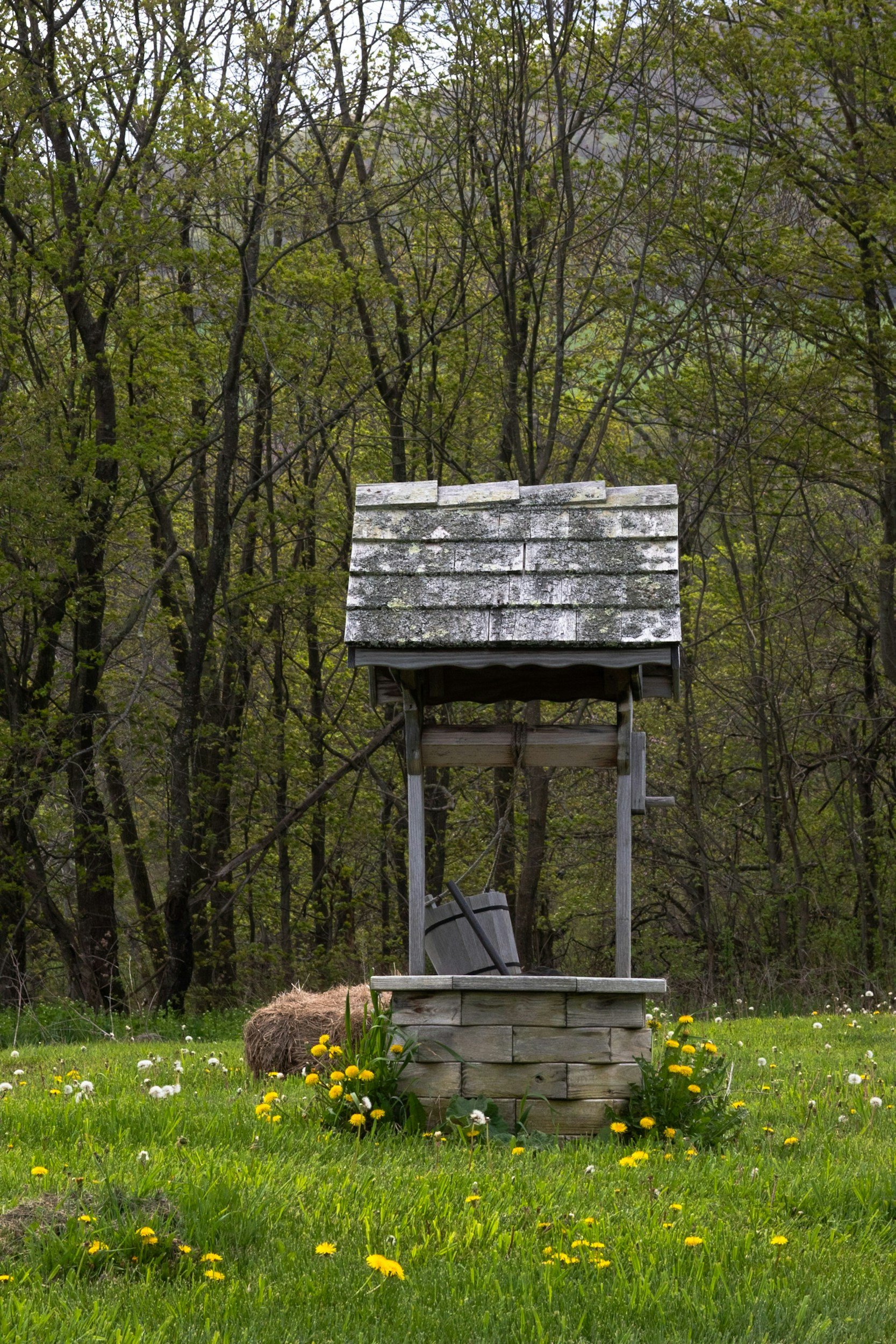
Lender-ready well water testing for VA, FHA, USDA, and conventional loans in North Carolina. Fast scheduling, certified lab analysis, and professional reports.
Why Lead Shows Up in Water Tests
Professional well water testing for real estate transactions. Trusted by agents and lenders for accurate, compliant, and fast documentation.
Common Reasons Well Water Tests Fail
Real estate loans don’t allow guesswork. Learn what lenders require for well water testing in NC, including proper sampling, certified lab results, and how to avoid closing delays.
Real Estate Well Water Testing in North Carolina: What Agents, Buyers, and Lenders Need to Know
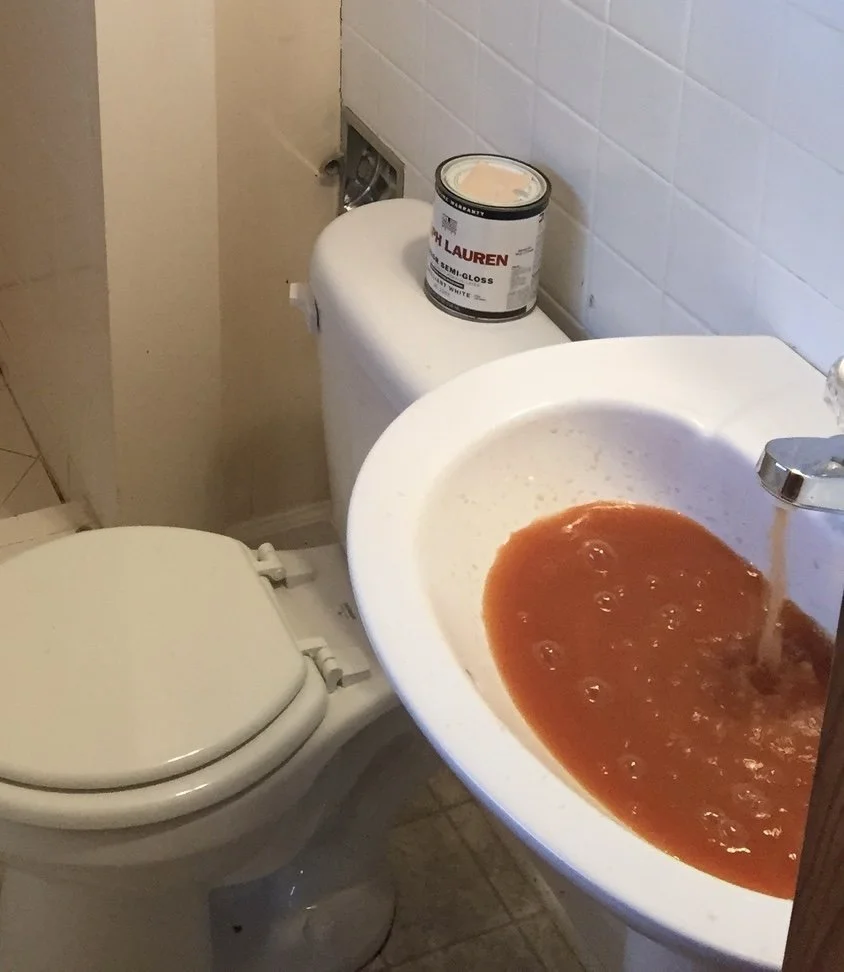
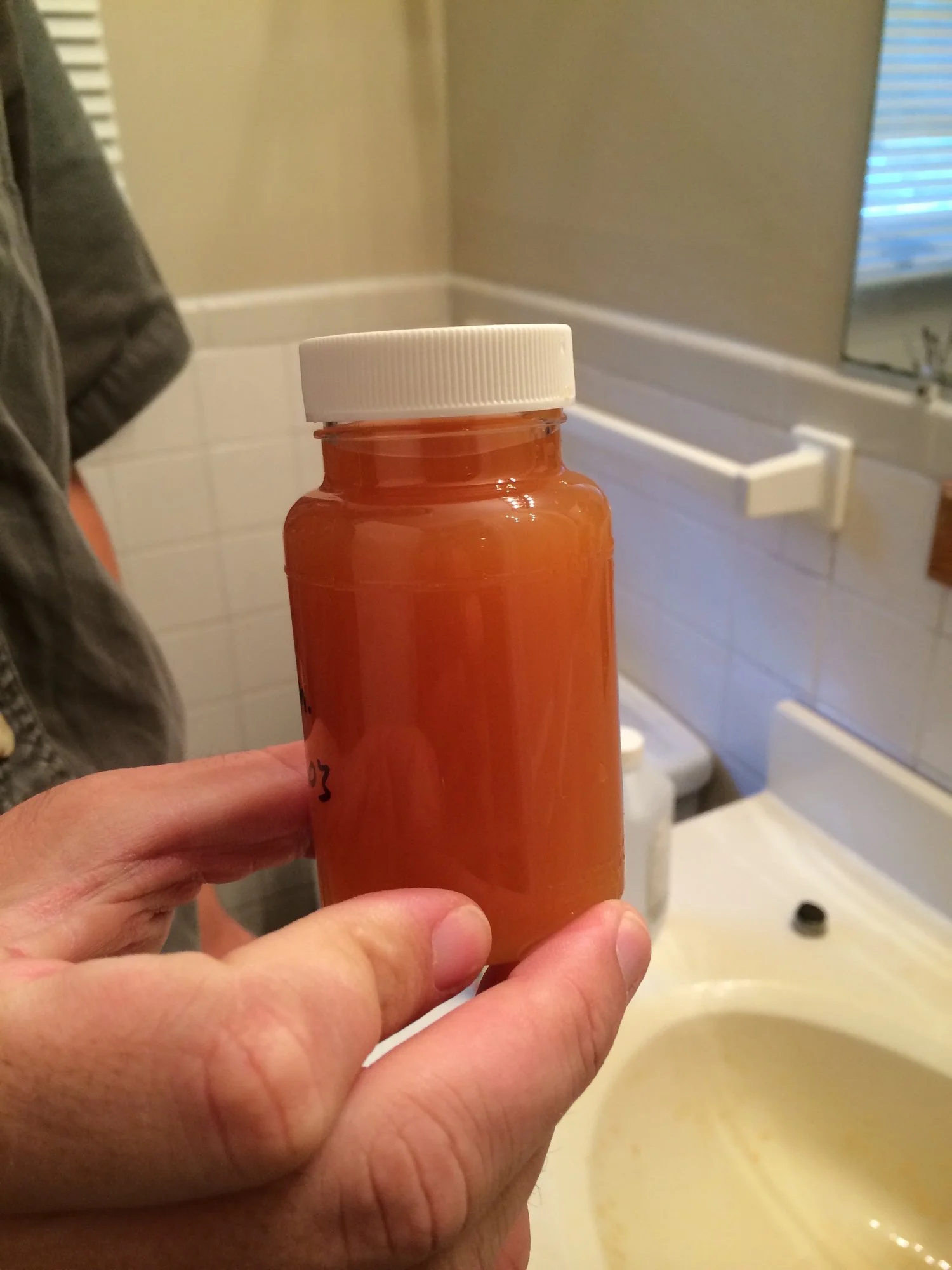
How Can Brown Water Pass EPA Standards?
It sounds wrong, but it’s true: brown well water can pass EPA standards. The reason comes down to what EPA testing actually measures—and what it doesn’t.
EPA Standards Focus on Health, Not Appearance
EPA drinking water standards (used as the baseline for private well testing) are designed to protect human health, not aesthetics. When a well water sample is taken, the lab is primarily testing for contaminants that cause illness, not color or clarity.
For most real estate and safety testing, the focus is on:
Total Coliform bacteria
E. coli
Sometimes nitrates, depending on lender or local requirements
If those results are compliant, the water can pass EPA-based testing, even if it looks brown.
What Causes Brown Well Water
Brown or discolored well water is usually caused by:
Iron or manganese
Sediment disturbed in the well or plumbing
Aging pipes or pressure tank issues
Recent well use after inactivity
These issues affect appearance and taste, not necessarily health. Iron and manganese are considered secondary contaminants, meaning they are not health-based fail parameters under EPA guidance.
What Will NOT Fail an EPA-Based Test
Brown water alone does not fail a test. Cloudiness, staining, or metallic color may look alarming, but if bacteria are absent and required parameters are within limits, the sample passes.
This is why homeowners are often shocked when:
Brown water passes lab testing
Clear water fails due to bacteria
Appearance and results don’t match expectations
Why Proper Sampling Matters
How the well water sample is taken matters more than how the water looks. Certified sampling procedures prevent false positives and ensure results are accepted by lenders and health departments. Improper sampling can cause a clean well to fail—or force retesting that delays real estate transactions.
Real Estate Reality
In real estate transactions, lenders rely on certified lab results, not visual inspection. A properly collected well water sample that meets EPA-based standards can be approved, even if the water is discolored at the tap.
Bottom Line
EPA standards measure safety, not looks. Brown well water can pass because iron, sediment, and discoloration are not health-based violations. Science—not appearance—determines whether a well passes.
Real Estate Services Matter
Real estate services matter when it comes to well water testing. Proper sampling, certified lab results, and lender-ready documentation keep transactions moving and avoid closing delays.
Well Water Testing for Real Estate in NC: What Lenders Require
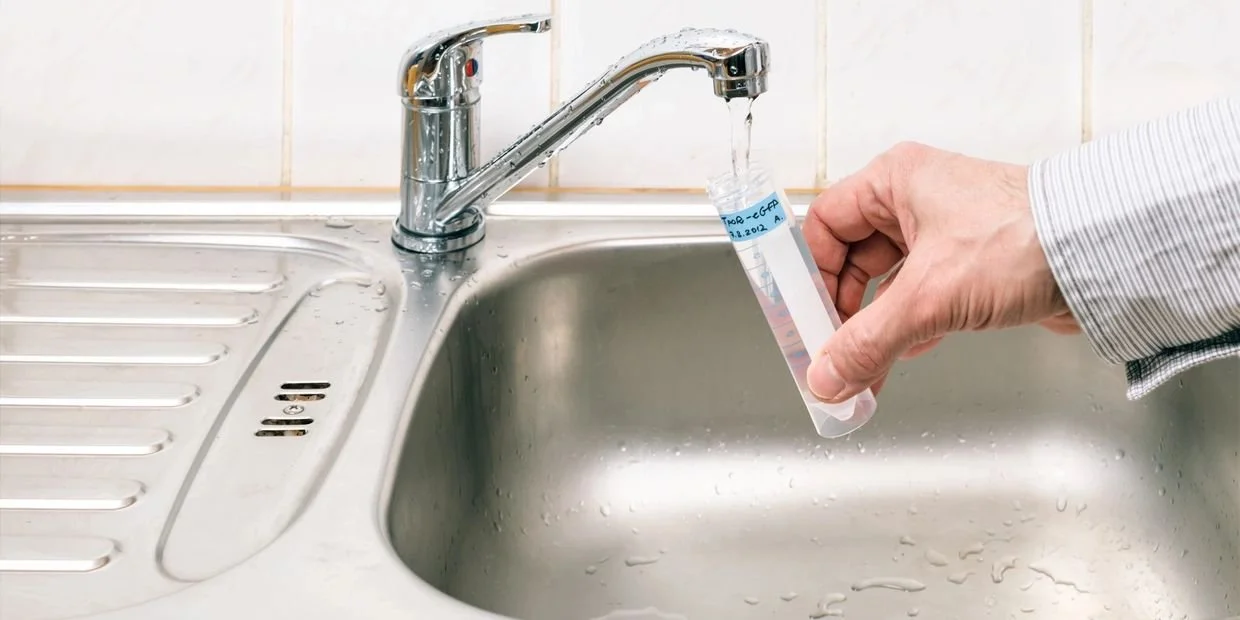
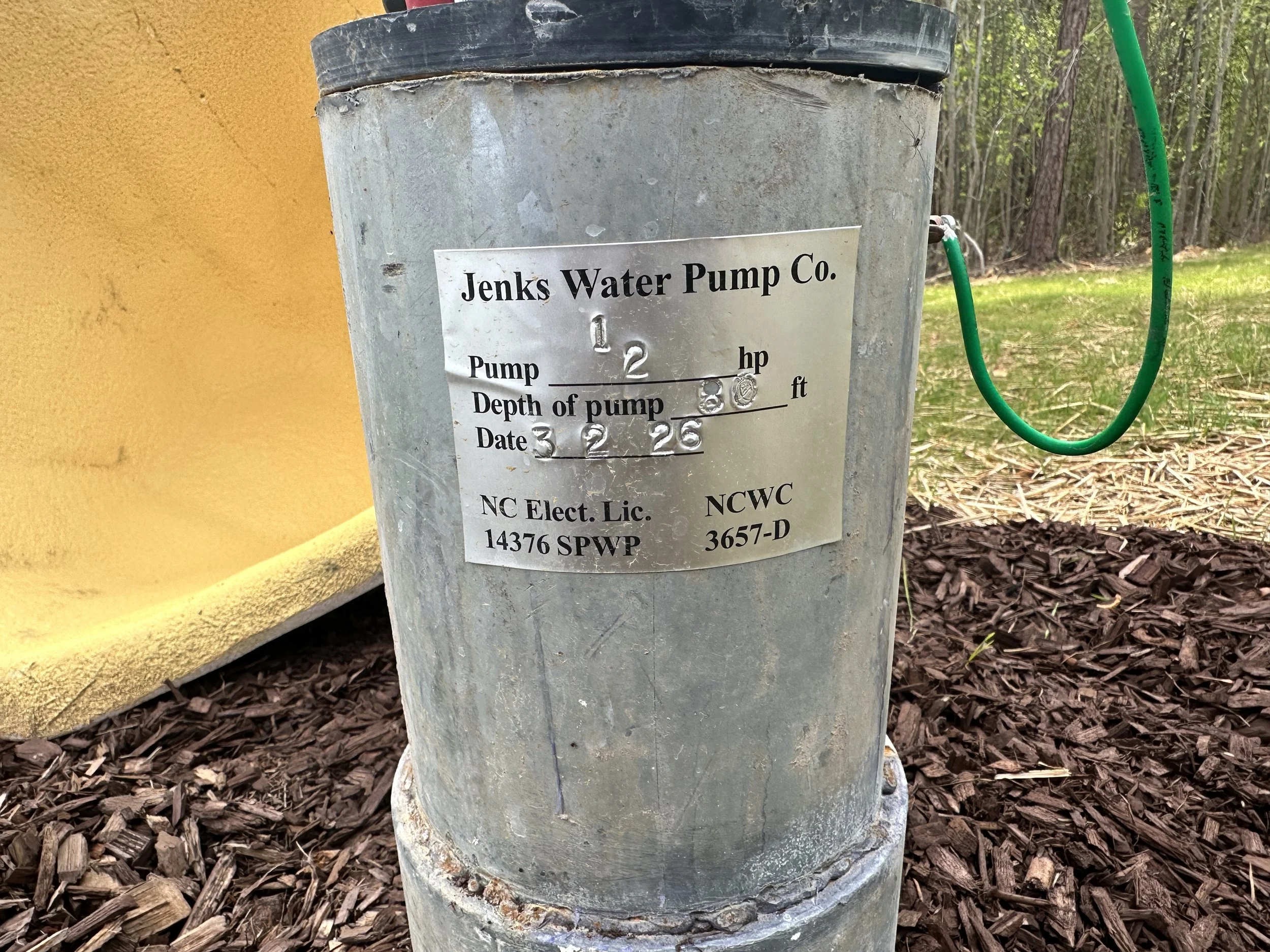
For real estate transactions, well water samples must be collected by a qualified water testing provider using proper procedures. Allowing a home inspector or homeowner to collect the sample is a common mistake and is often flagged by lenders as non-compliant.
Proper sampling, chain-of-custody, and documentation are just as important as the lab results themselves.
Timing Matters in Real Estate Closings
Scheduling well water testing early in the transaction helps avoid delays. Many buyers and agents wait until underwriting, only to discover that testing must be redone due to improper collection or missing documentation.
Professional providers often offer next-day service and pay-at-closing options, making it easier to align testing with inspection windows and closing timelines.
Well water testing for real estate transactions
Well water testing for real estate in NC is required for many loans. Learn what lenders expect, including proper sampling, certified lab results, and how to avoid closing delays.
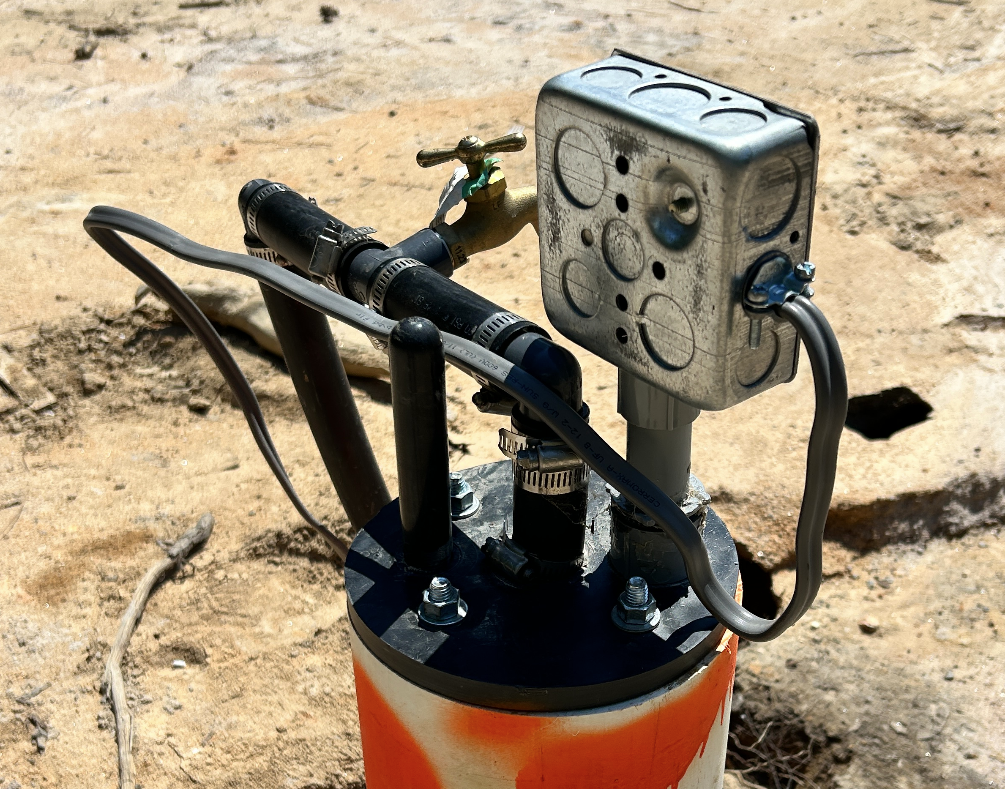
Real Estate Loans: No Guesswork Allowed (Well Water Testing in NC)
For VA, FHA, and USDA loans, lenders require certified lab results, including bacteria testing for Total Coliform and E. coli, and in some cases nitrate analysis. Proper documentation showing compliance is mandatory.
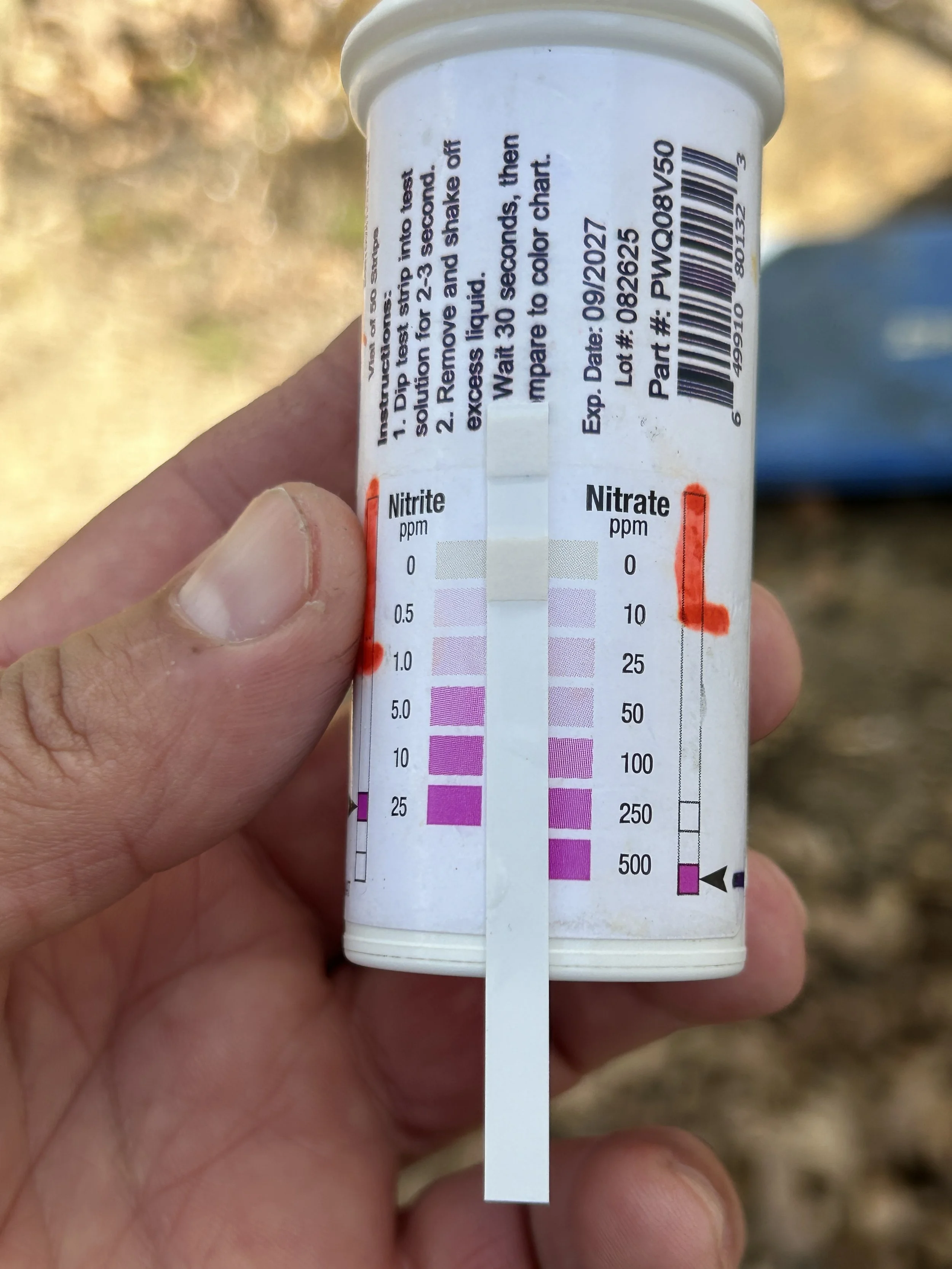
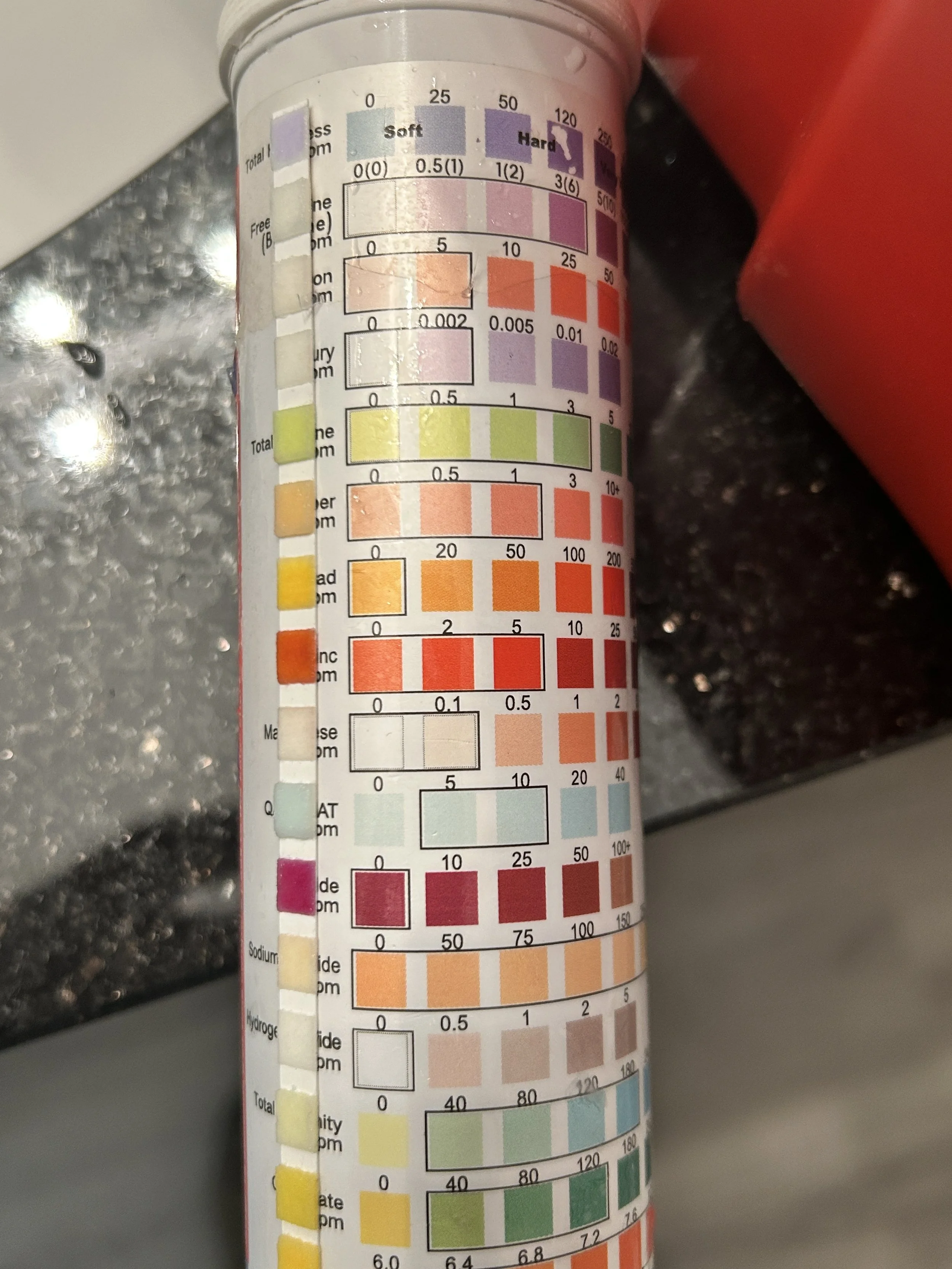
DIY test strips are not accepted and can result in loan denial. Period.
Bottom Line
DIY test strips are fine for curiosity—but they do not protect your health, your family, or your real estate transaction. Only professional, certified well water testing counts when it matters.
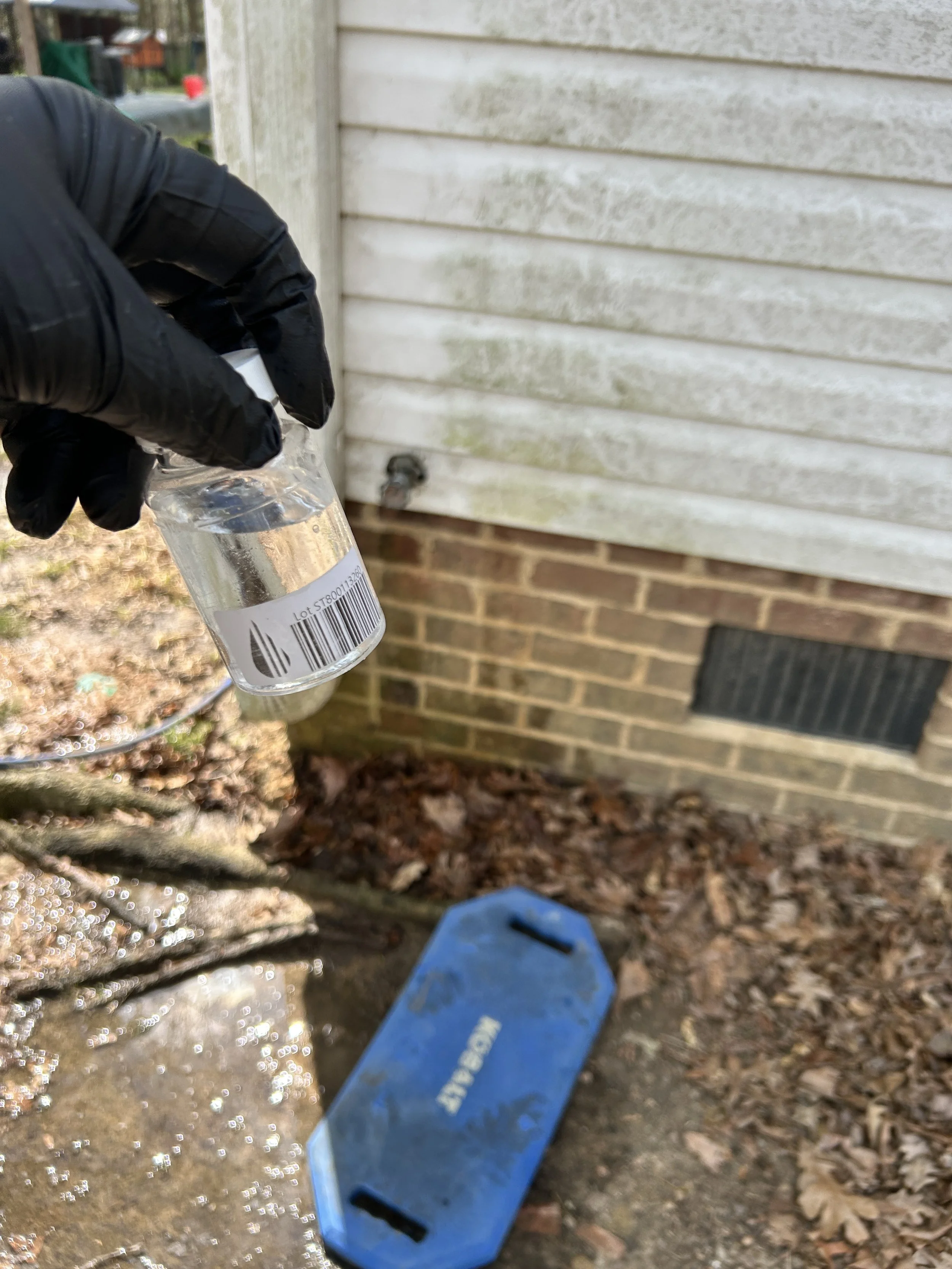
Well Water Testing: Why Test Strips Aren’t Enough for Your Private Well (NC Real Estate Guide)
Test strips aren’t enough for real estate well water testing in NC. Learn why lenders require certified lab results, proper sampling, and documentation to avoid closing delays.
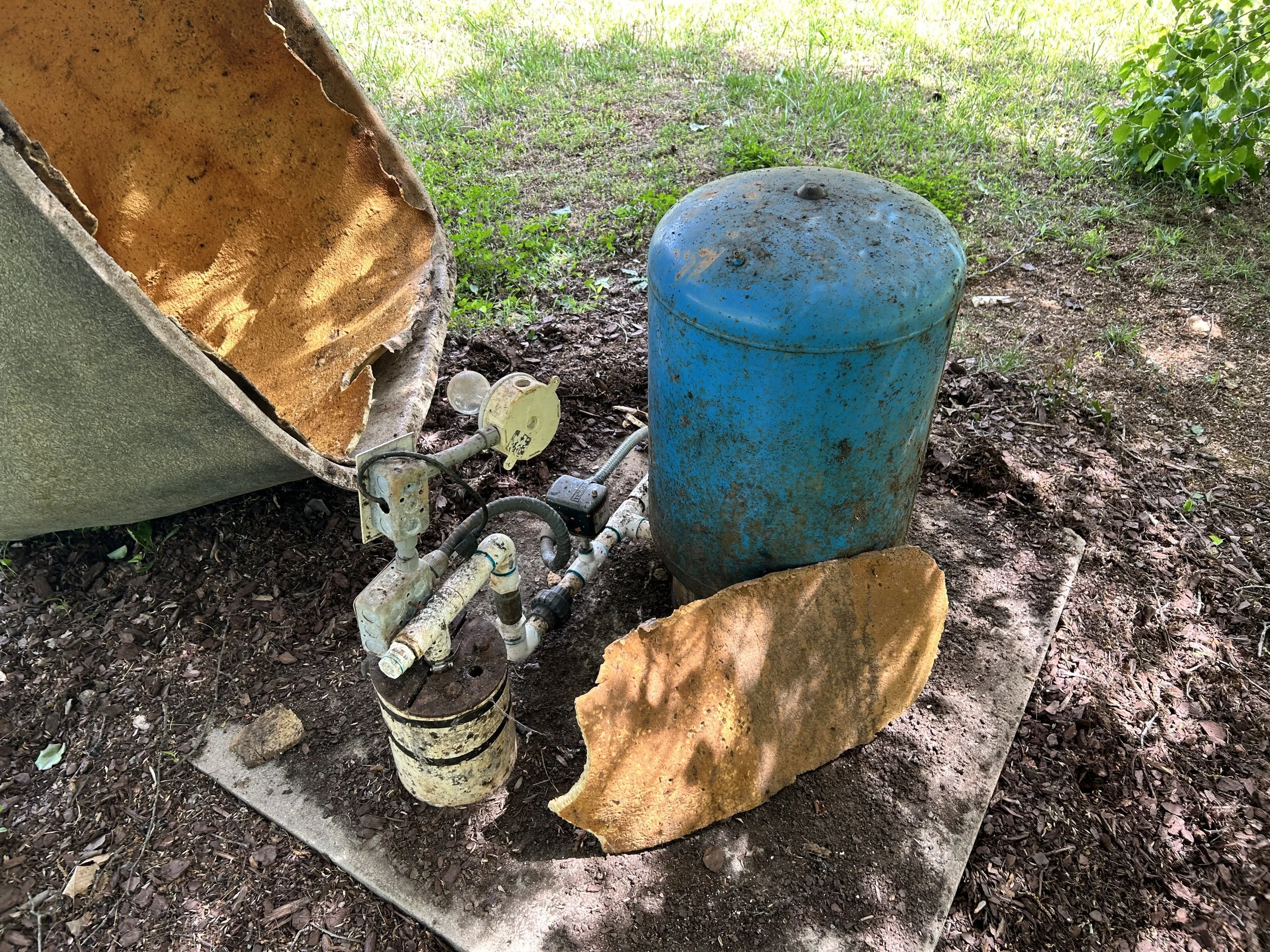
What Can Delay Well Water Test Results? (NC Real Estate Guide)
Well water test results can be delayed by late scheduling, lab turnaround, improper sampling, and missing documentation. Learn how to avoid delays and keep your NC real estate closing on track.
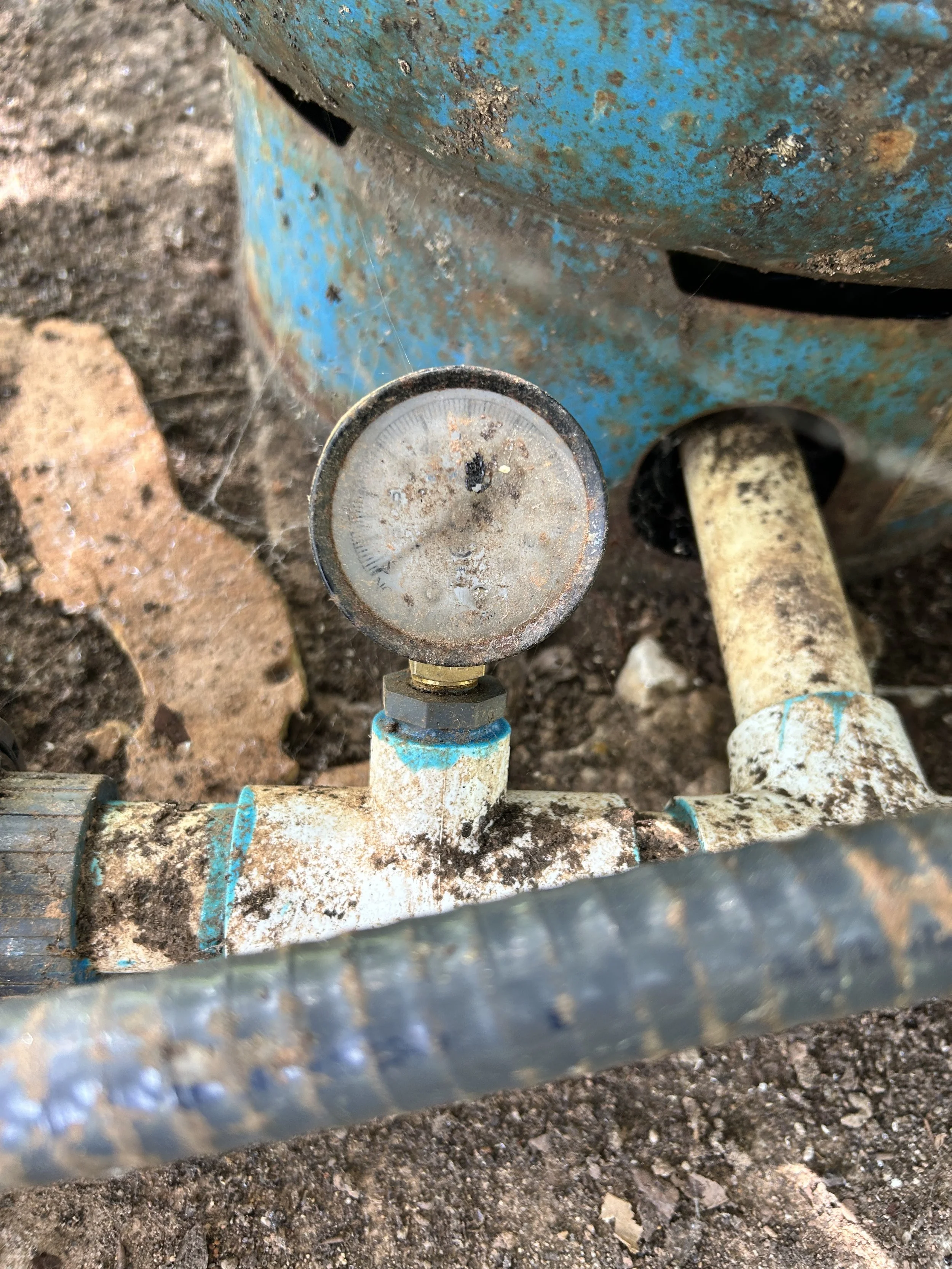
What the VA Requires for Well Water Testing (NC Real Estate Guide)
FHA well water tests are often rejected due to improper sampling, missing documentation, or incorrect test panels. Learn how to avoid delays and keep your NC real estate closing on track.
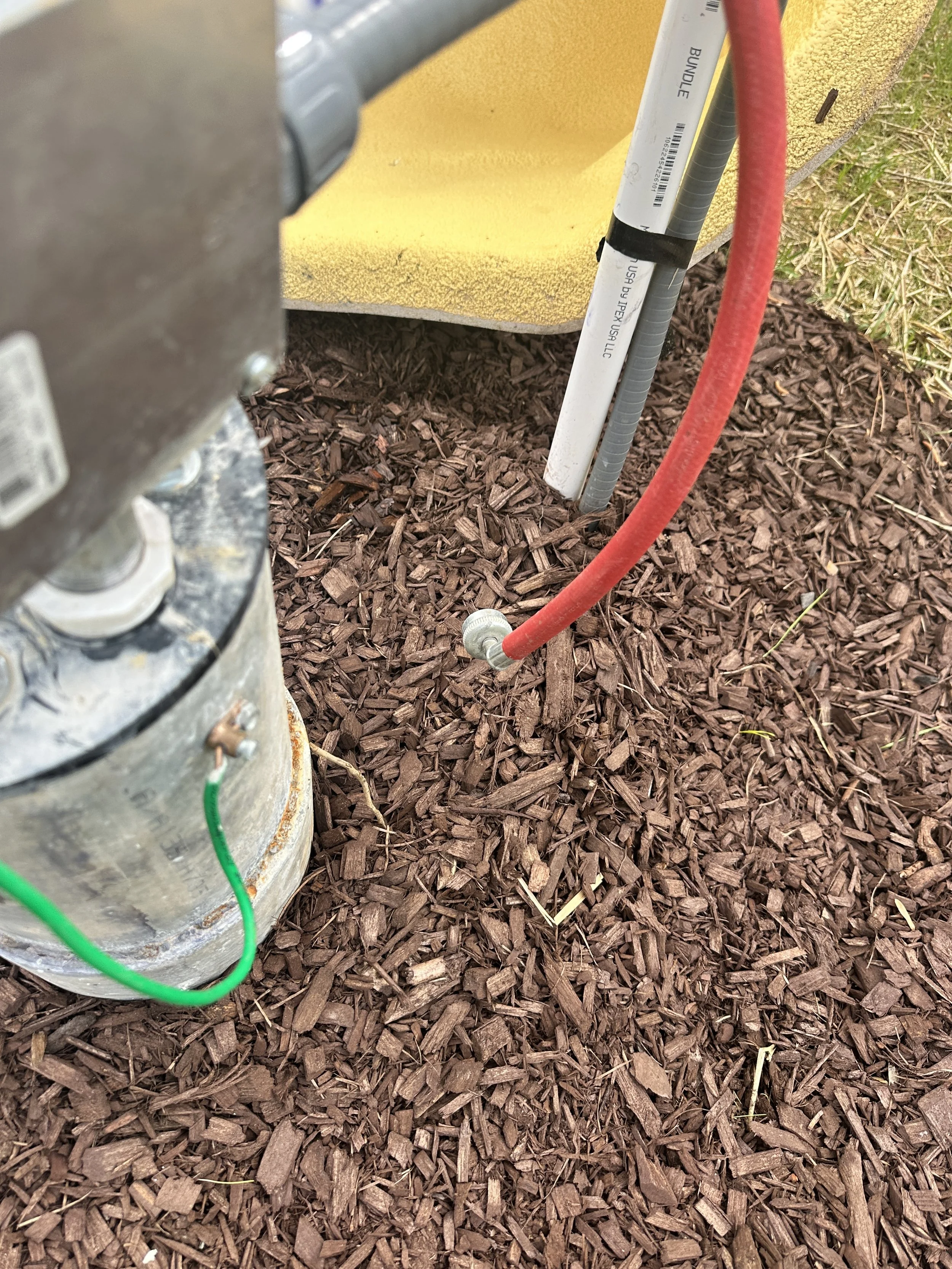
Common Reasons FHA Well Water Tests Are Rejected (NC Real Estate Guide)
FHA well water tests are often rejected due to improper sampling, missing documentation, or incorrect test panels. Learn how to avoid delays and keep your NC real estate closing on track.
How Pay-at-Closing
Pay-at-closing allows well water testing to be completed upfront with payment collected at closing. Learn how it works and how to keep your real estate transaction on track.