

Conventional Well Water Testing in North Carolina
Conventional Well Water Testing
Conventional Real Estate Water Testing
Conventional Water Testing in NC
Next-Day USDA Water Testing
For tight closing deadlines, next-day reporting is available for USDA water tests in North Carolina. Turnaround is calculated from laboratory drop-off and is subject to lab cutoff times, business hours, and sample location.
Next-day service is most commonly used when:
Closing dates are within 24 to 48 hours
Real estate water testing and underwriting conditions are issued late in the process
A previous water test was rejected by the lender or has expired
An environmental event before closing requires retesting
Call 984-301-6223 to confirm same-day or next-day availability for your conventional loan transaction.
Pay-At-Closing for USDA Transactions
Pay-at-closing is available for qualified USDA transactions, allowing the testing fee to be deferred until settlement.
Payment is deferred until closing
Must be coordinated with the closing attorney or escrow officer in advance
Must be reflected on the closing disclosure or escrow instructions
Does not delay testing or reporting
This option helps keep real estate transactions moving when upfront payment timing becomes a problem for the buyer.
Fast, Lender-Ready Water Testing for Real Estate Closings. Private well water testing for conventional mortgage transactions in North Carolina. We provide professional sample collection, certified laboratory analysis, and lender-ready documentation designed to support underwriting review and help keep real estate closings on schedule.
Scheduling Pay-at-closing
Related Services for Conventional Loan Files
You can strengthen this page with short internal links to related services already on your site:
Next-day well water certification
Well flow rate testing
Failed sample retesting and recertification
Conventional Loan Well Water Testing for Real Estate Closings
We provide private well water testing built specifically for conventional loan files and North Carolina real estate transactions. This service is designed for buyers, sellers, lenders, underwriters, agents, and closing professionals who need clear reporting and dependable scheduling for financed properties served by private wells.
Private well water testing documentation is prepared in a lender-ready format designed to help reduce underwriting delays, rejected reports, additional lender conditions, and last-minute closing interruptions commonly associated with VA, FHA, USDA, and conventional loan transactions.
This is not general homeowner testing. The service is structured around real estate timelines, lender conditions, and documentation that supports mortgage underwriting and closing review.
-
Same-day response for active real estate transactions
Next-day private well water testing available
Fast communication with lenders, agents & closing teams
Clear lender-ready documentation for underwriting review
Independent third-party water sampling procedures
Full chain-of-custody documentation included
EPA-recognized / state-certified laboratory analysis
Corrective action and retest coordination when required
VA, FHA, USDA & conventional loan support
Organized reporting designed for real estate closings
Frequently Asked Questions
-
Conventional loans do not have a universal federal requirement, but many lenders require well water testing to confirm the water is safe and potable. Requirements are set by the lender, underwriter, or investor guidelines.
-
Water testing requirements are typically determined by the lender, underwriter, or loan investor (such as Fannie Mae or Freddie Mac), along with any applicable local or state health authority standards.
-
Most conventional loan water tests include:
Total coliform bacteria
E. coli
Nitrates
Nitrites
Lead
Additional testing may be required depending on the property location or lender conditions.
-
There is no fixed rule, but most lenders accept water test results that are 30 to 90 days old. Some may require more recent results depending on underwriting conditions.
-
In most cases, lenders prefer or require the sample to be collected by an independent third party. This helps ensure accurate results and avoids conflicts of interest during the transaction.
-
A failed test does not automatically stop the deal. The issue is typically corrected through disinfection, flushing, or minor repairs, followed by a retest. Once the water passes, the transaction can proceed.
-
No. Most lenders require the water source itself to pass testing. A filtration system alone usually does not satisfy loan requirements unless specifically approved by the lender.
-
Not always, but some lenders or appraisers may require verification that the well provides adequate water supply. When required, flow rates of 3–5 gallons per minute (GPM) are commonly expected.
-
Yes. Next-day results are often available depending on lab processing times and sample drop-off schedules. This is commonly used for tight closing timelines.
-
Yes, but shared wells must meet lender requirements. This may include:
Adequate water supply
Proper agreements between properties
Ability to isolate each property’s water line
-
Pricing varies based on:
Location
Testing parameters
Turnaround time
Next-day service and additional testing may increase cost. Many providers offer pricing based on real estate closing timelines.
What’s Included in a Conventional Loan Well Water Test
Private well water testing for conventional loan transactions is designed to provide lenders, underwriters, buyers, sellers, and real estate professionals with organized laboratory documentation for properties served by private well systems throughout North Carolina.
Testing is structured to support real estate closings requiring lender-ready reporting, independent third-party sample collection, and certified laboratory analysis commonly associated with conventional mortgage underwriting requirements.
Testing requirements for conventional loans may vary based on lender overlays, underwriting conditions, property location, appraisal requirements, environmental concerns, or transaction-specific requests. Final acceptance remains subject to lender, underwriter, investor, laboratory, and governing authority review.
Well Water NC provides professional private well water testing services structured specifically to help buyers, sellers, real estate agents, lenders, mortgage companies, and closing attorneys keep both the transaction and the closing process on track with organized lender-ready documentation for private well properties throughout North Carolina.
-
Potability testing for drinking water safety
Certified laboratory reporting
Clear documentation for lender or underwriter review
Retesting when a water quality issue is found
Additional parameters when requested by the lender or file conditions
-
Total Coliform testing
E. coli testing
Nitrate testing
Nitrite testing
Lead testing
Additional water quality parameters, when requested by the lender, underwriter, county authority, buyer, or property conditions
-
Certified laboratory reports
Chain-of-custody documentation
Independent third-party sampling certification
Flow rate and pressure observations when requested
Corrective action and retest documentation if required
Underwriter summary sheets and supplemental reporting
Why Proper Documentation Matters for Conventional Loans
Conventional lending is not always one-size-fits-all, so the format and clarity of the report matter. Lenders and underwriters want documentation that is easy to review, clearly tied to the property, and supported by proper sample collection and laboratory reporting. A clean, transaction-ready file can help reduce back-and-forth questions and lower the chance of delays close to settlement.
What Is Tested in a Conventional Well Water Test
Your site states that most VA, FHA, USDA, and conventional loan files in North Carolina test for the main potability indicators lenders commonly request: total coliform bacteria, E. coli, nitrates, nitrites, and lead. Additional items may be added when a lender, underwriter, or property-specific issue calls for a broader panel. Using a certified laboratory and proper documentation helps the results move through underwriting more smoothly
What Happens if the Water Test Fails
A failed well water test does not automatically end a conventional loan transaction. Your site explains that corrective action and retesting may be needed before the file is acceptable for lender review and closing. Depending on the issue, the next step may involve well disinfection, flushing, repairs, or other corrective action, followed by a new sample and a new certified report if the updated results pass.
How the Conventional Water Testing Process Works
Step 1: Schedule the testing
Provide the property address, contact information, and closing timeline so the request can be set up correctly.
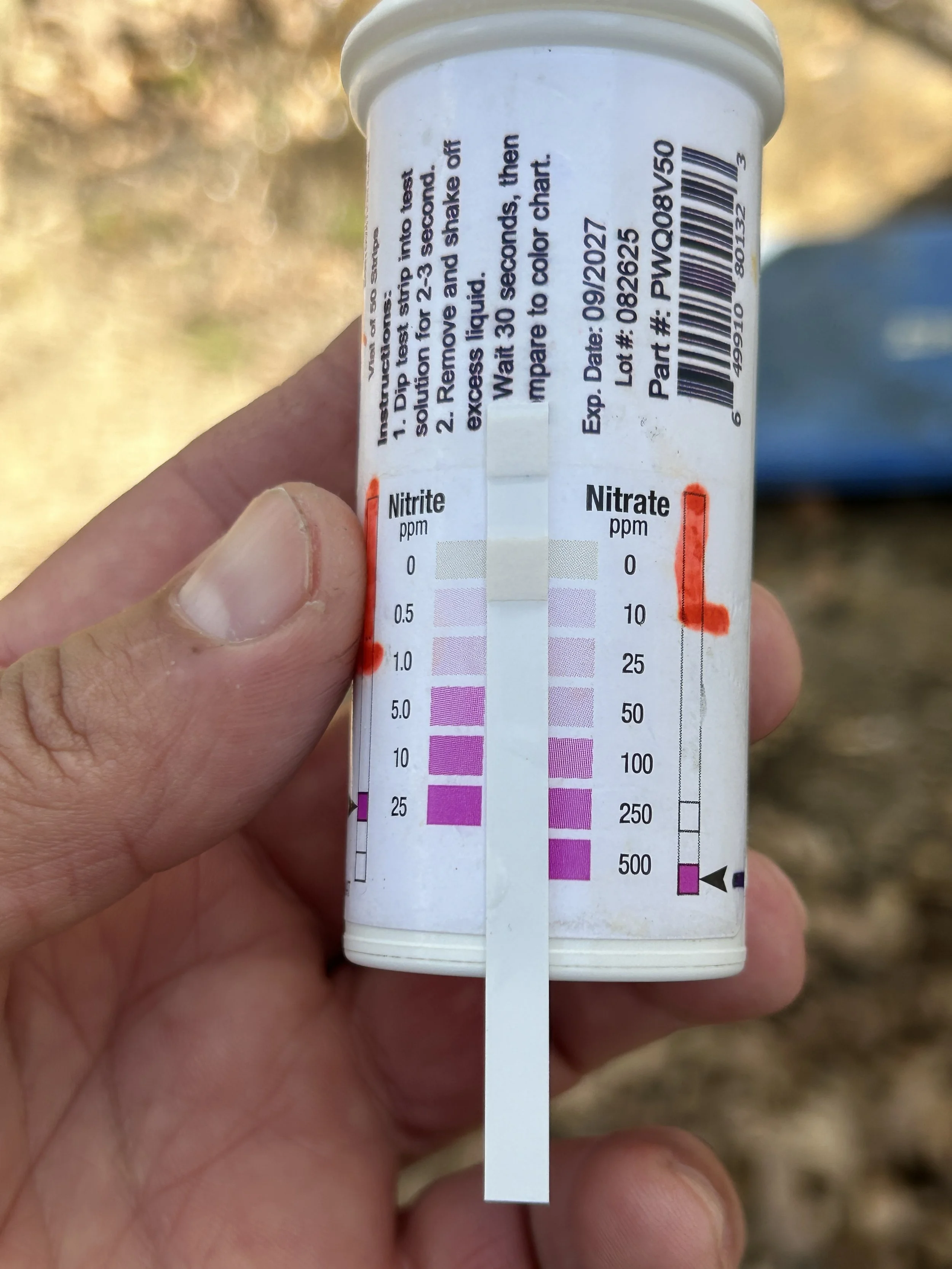
Step 2: Sample collection and lab submission
A trained technician collects the water sample and submits it for certified laboratory analysis using documented procedures that support real estate and lender review.
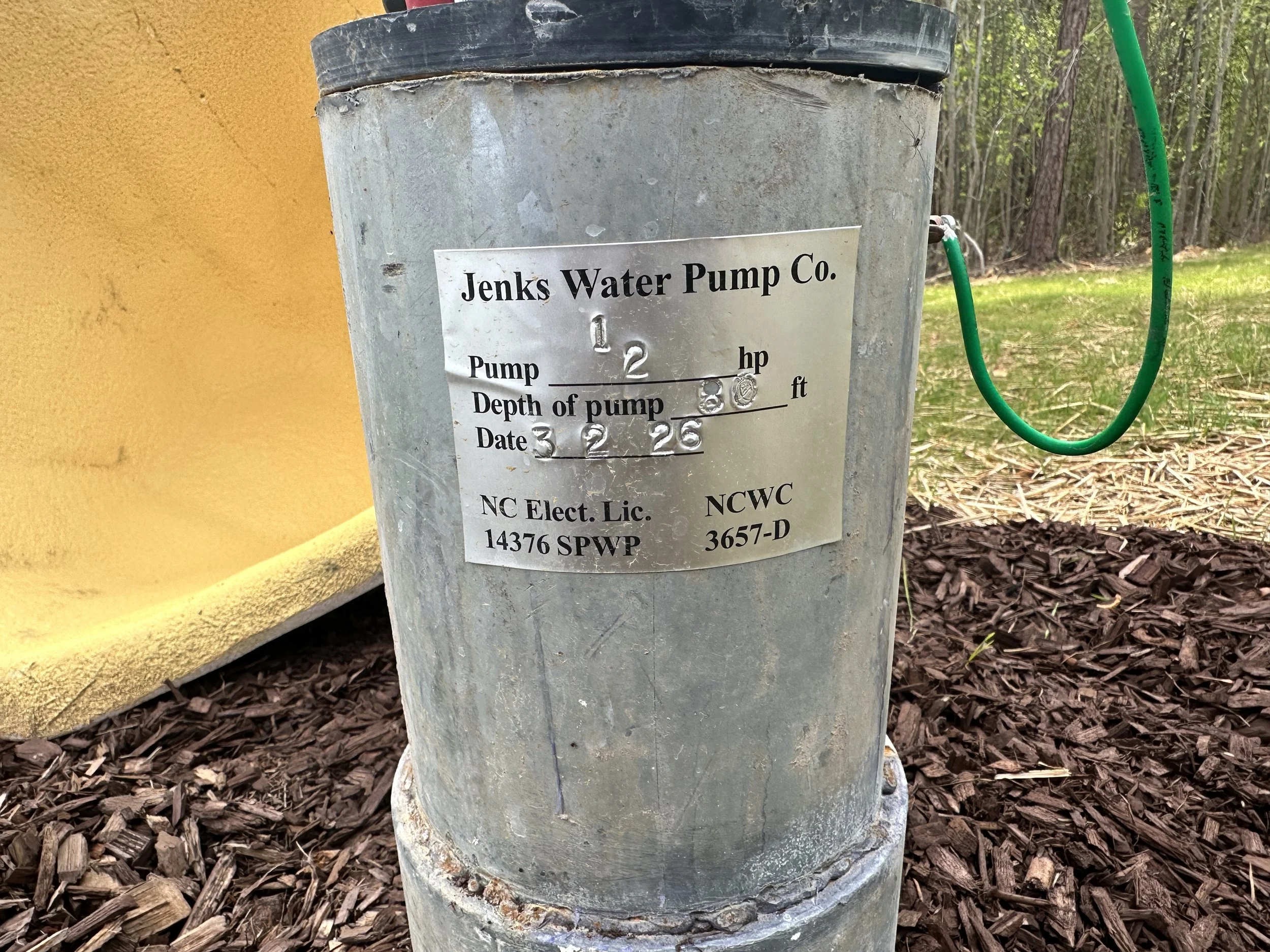
Step 3: Reporting for underwriting and closing
The completed report is delivered to the appropriate parties so the conventional loan file can continue moving through underwriting and settlement
Most Failed Well Water Tests Are Correctable
A failed private well water test does not automatically mean the property cannot close or that the well system has a major long-term problem. Many failed water test results associated with VA, FHA, USDA, and conventional loan transactions can often be corrected through proper disinfection, system flushing, corrective action procedures, and follow-up retesting.
Well Water NC helps buyers, sellers, real estate agents, lenders, and closing professionals respond quickly to failed private well water test results with organized corrective action support and lender-ready recertification documentation designed to help keep the transaction moving forward.
Common Causes of Failed Private Well Water Tests
Inactive or vacant property plumbing systems
Plumbing contamination from recent repairs or construction
Well systems not properly disinfected after installation or servicing
Environmental and seasonal conditions affecting groundwater
Flooding, heavy rainfall, or surface water intrusion
Wellhead sanitation or sealing concerns
Temporary bacterial contamination within plumbing fixtures
Common Corrective Action Procedures
Private well disinfection (shock chlorination)
Complete plumbing system flushing
Fixture sanitation and flushing procedures
Follow-up independent third-party retesting
EPA-recognized / state-certified laboratory analysis
Updated lender-ready recertification documentation
Corrective Action Support for Real Estate Closings
Fast scheduling for time-sensitive closings
VA, FHA, USDA & conventional loan support
Chain-of-custody documentation
Corrective action and retest coordination
Lender-ready reporting formats
Communication with agents, lenders & closing teams
Updated certification documentation after passing retest
Fast Turnaround for Time-Sensitive Closings
Your site highlights next-day report options for certain real estate transactions, which is especially useful when closing dates are near or loan conditions are issued late.
Need a Conventional Well Water Test for Your Closing?
Fast, real estate-focused well water testing in North Carolina with certified lab analysis, clear documentation, and service designed to support conventional mortgage closings.
Well Water NC
8312 Harps Mill Rd
Raleigh, NC 27615
Well Water NC Hours of Operation:
Monday 9:00 AM to 6:00 PM
Tuesday 9:00 AM to 6:00 PM
Wednesday 9:00 AM to 6:00 PM
Thursday 9:00 AM to 6:00 PM
Friday 9:00 AM to 6:00 PM
Saturday By appointment
Sunday Closed