
North Carolina Private Well Water Testing for FHA Real Estate Closings
Well Water Testing FHA
Well Water Testing FHA Leaders
Well Water Testing FHA Real Estate
Next-Day FHA Water Testing
For time-sensitive transactions, next-day reporting may be available depending on lab cutoff times, business hours, and sample location. This is especially helpful when closing dates are tight, underwriting conditions arrive late, or a previous certification has expired.
Next-day service is most commonly used when:
Closing dates are within 24 to 48 hours
Underwriting conditions are issued late in the process
A previous water test was rejected by the lender or expired under the 90-day rule
Appraisal or repair delays pushed earlier sampling
Pay-At-Closing for FHA Transactions
Pay-at-closing may be available for qualified FHA transactions when arranged in advance with the closing party. This can help keep the transaction moving when upfront payment timing creates a delay.
Payment is deferred until closing
Must be coordinated with the closing attorney or escrow officer in advance
Must be reflected on the closing disclosure or escrow instructions
Does not delay testing or reporting
This option helps keep FHA transactions moving when the timing of the upfront payment becomes a problem for the buyer.
Professional FHA well water testing throughout North Carolina for home purchases and refinancing. Well Water NC provides independent third-party sample collection, certified laboratory analysis, chain-of-custody documentation, and lender-ready reports designed to support FHA loan underwriting and closing requirements.
Appointment
FHA Well Water Testing for North Carolina Real Estate
We provide private well water testing built specifically for FHA loan files and North Carolina real estate closings. This service is designed for lenders, real estate agents, buyers, sellers, and closing professionals who need clear reporting, reliable sample collection, and documentation that supports loan approval.
This is not general homeowner testing. Every sample, report, and document is organized to match the needs of FHA underwriting and real estate transaction timelines.
Failed FHA Water Test — What Happens Next
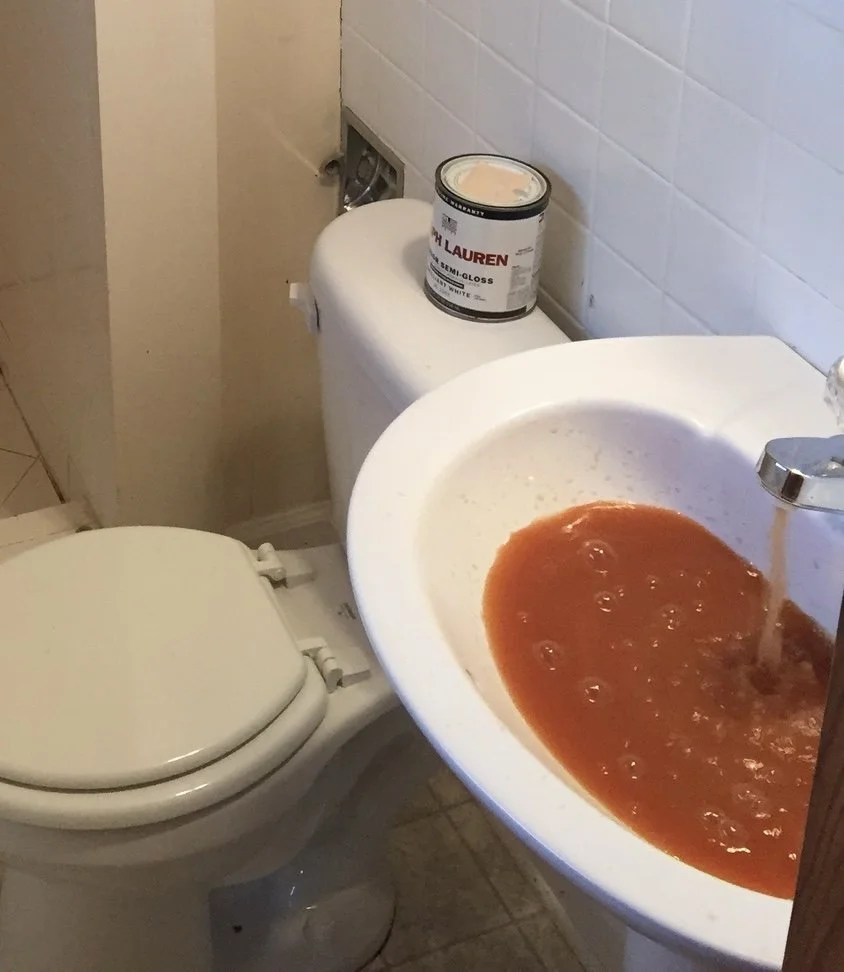
A failed FHA water test does not automatically kill the transaction. In many cases, the issue can be corrected through well disinfection, system flushing, minor repairs, or other appropriate corrective action, followed by a new sample and a new certified lab report.
A passing retest is required before the file can move forward. A treatment system alone does not replace the need for a passing source-water result after corrective action. Important: Installing a water purification or filtration system is not enough on its own to satisfy FHA requirements. The water source itself must pass the test after corrective action. A filtration system can be added afterward, but it does not substitute for a passing well water test. Well Water NC coordinates the entire failed-test recovery process — disinfection, retesting, recertification, and lender documentation — so the file gets back on track without resetting the timeline.
-
System inactivity from a vacant home
Recent plumbing changes or repairs
Bacteria are introduced at fixtures rather than the well itself
Environmental or seasonal conditions
Flooding or recent weather affecting the wellhead
-
Well disinfection through chlorination
System flushing
Minor system adjustments or wellhead repairs
-
A new water sample is collected
A new chain of custody is documented
A new certified laboratory report is issued
Final certification is provided once results meet FHA standards
Frequently Asked Questions
-
Yes. FHA loans require a private well water test when the property is not connected to a public water system. The water must meet local health authority standards, or state standards if no local rules exist, or EPA Maximum Contaminant Levels (MCLs) if neither apply. Requirements come from HUD Handbook 4000.1.
-
The standard FHA well water test screens for total coliform bacteria, E. coli, nitrates, nitrites, and lead. EPA Maximum Contaminant Levels apply: 10 mg/L for nitrates, 1 mg/L for nitrites, and 0.015 mg/L for lead. Additional parameters may be required by the lender, underwriter, or local health authority.
-
An FHA well water test certification is typically valid for 90 days from the certification date. If the loan does not close within 90 days, a new sample must be collected and tested.
-
The sample must be collected by a disinterested third party with no financial interest in the transaction. Acceptable parties include certified laboratories, licensed sanitary engineers, plumbers, well drillers, home inspectors, or similar professionals. The buyer, seller, real estate agent, or anyone related to the parties in the deal cannot collect the sample. Mail-in self-collection kits generally do not satisfy FHA requirements.
-
FHA requires that wells be located at least 10 feet from the property line, 50 feet from a septic tank, and 100 feet from a septic drain field (or 75 feet if allowed by local authority). These requirements come from 24 CFR § 200.926d(f)(3) and are typically verified during the FHA appraisal.
-
FHA requires existing wells to deliver between 3 and 5 gallons per minute (GPM). Where pressurized storage is provided, the system must supply 720 gallons of water to each connected existing dwelling during a continuous four-hour period.
-
A failed FHA water test does not automatically disqualify the property. Corrective action — typically well disinfection, system flushing, or minor repairs — is performed, followed by a new sample and a new certified lab test. Once results meet FHA standards, certification is issued and the loan can move forward. Installing a water purification system alone is not enough — the water source itself must pass after corrective action.
-
Yes. Shared wells require water testing plus additional structural requirements under HUD Handbook 4000.1. The shared system must serve no more than four living units, have a shut-off valve on each service line, and demonstrate adequate yield through a certified pumping test.
-
Pricing varies based on parameters tested, location, and turnaround speed. Well Water NC offers pay-at-closing options for qualified FHA transactions. Call 984-301-6223 for a quote tied to your specific closing.
-
Yes. Next-day reporting is available for time-sensitive FHA closings, subject to lab cutoff times and sample location. This is commonly used when underwriting conditions are issued late or when a previous test has expired under the 90-day rule.
-
HUD Handbook 4000.1 states that connection to a public or community water system is preferred when feasible at reasonable cost. Private wells are accepted when public connection is not reasonable. The mortgagee makes this determination as part of the loan approval process.
What Is Included in an FHA Water Testing File
-
Certified laboratory report from a North Carolina state-certified lab
Chain-of-custody documentation
Sampling location statement
Failed sample, corrective action, and passing retest documentation (when applicable)
Flow rate and pressure observations (when requested by lender)
FHA-formatted summary suitable for HUD Handbook 4000.1 review
What's Tested in an FHA Well Water Test
Additional parameters can be required by the lender, underwriter, or local health authority. North Carolina counties in the Carolina Slate Belt may require arsenic testing. Properties with older plumbing or specific water quality concerns may require additional metals or chemical testing. FHA water testing requirements are governed by HUD Handbook 4000.1 for properties served by private wells. Before the loan can close, the water supply must be shown to be safe and potable, and the file must contain acceptable supporting documentation.
All sampling follows EPA-recognized procedures and is submitted to a North Carolina state-certified laboratory under a chain of custody. Results are returned formatted for FHA lender and underwriter review.
-
Total Coliform bacteria — the primary indicator of contamination in the well system
E. coli — indicates fecal contamination and is an immediate FHA disqualifier
Nitrates — EPA MCL is 10 mg/L
Nitrites — EPA MCL is 1 mg/L
Lead — EPA MCL is 0.015 mg/L (15 parts per billion)
Why the Disinterested Third Party Rule Matters
Independent third-party collection helps preserve the integrity of the sample and reduces the chance that the lender or underwriter rejects the report. This is one of the most important differences between FHA testing and ordinary homeowner testing. The disinterested party must be a qualified professional — a certified laboratory, licensed sanitary engineer, plumber, well driller, home inspector, or similar third-party professional with no stake in the outcome of the transaction. Well Water NC technicians are independent third parties with no financial interest in the deal. Sample collection, chain-of-custody documentation, and lab submission are handled by trained personnel who do not represent the buyer, seller, or any party in the transaction.
-
The buyer cannot collect the sample
The seller cannot collect the sample
The real estate agent cannot collect the sample
A relative or party with a financial interest in the transaction cannot collect the sample
Self-collected mail-in test kits cannot satisfy FHA requirements
FHA Well Flow Rate Requirements
FHA loans require that a private well deliver adequate water flow to support the household. Existing wells must demonstrate flow rates between 3 and 5 gallons per minute (GPM). Where pressurized storage is provided, the system must make 720 gallons of water available to each connected existing dwelling during a continuous four-hour period. FHA files may also require confirmation that the well can deliver an adequate water supply to the home. Flow-rate or yield issues usually come up when the appraiser, lender, or underwriter requests additional support on the property’s water system.
When needed, flow-rate testing can be coordinated alongside water quality testing so the file is more complete and the closing process stays organized. For shared wells, the system must serve no more than four living units, with a shut-off valve on each service line so individual properties can be isolated without disrupting service to others. Flow rate testing is often performed alongside water quality testing for FHA transactions, especially when the underwriter or appraiser specifies it as a condition.
FHA Well Location and Setback Requirements
In addition to water quality testing, FHA loans may also involve well location review. Existing construction is typically expected to meet setback standards related to property lines, septic tanks, and drain fields, with these conditions often reviewed during the appraisal process.
These requirements are typically verified during the FHA appraisal, separate from the water test itself. Wells that do not meet setback requirements may require additional documentation or remediation before the loan can close. When a well location issue is flagged, additional documentation or follow-up may be needed before the transaction can close. Keeping this separate from the water quality section makes the page easier to follow while still covering an important FHA topic. If a well needs to be inspected for compliance with FHA setback requirements, Well Water NC can coordinate documentation with the appraisal process and provide supporting field observations.
-
10 feet from the property line
50 feet from a septic tank
100 feet from a septic drain field (75 feet if allowed by local authority)
How FHA Water Test Validity Works (90-Day Rule)
FHA water test certifications are valid for 90 days from the certification date. If the loan does not close within 90 days, a new water sample must be collected and analyzed.
This matters in two common situations:
Closings that get pushed back due to financing, appraisal, or repair delays — if the original test passes the 90-day mark, retesting is required
Properties listed for an extended period that were tested early — the certification may have already expired by the time an FHA buyer makes an offer
Well Water NC tracks certification expiration dates and coordinates retesting before they cause closing delays.
FHA Shared Well Requirements
For FHA shared well transactions, the well-sharing agreement and any required easement documentation must be in place before closing. Well Water NC handles shared well sampling and can coordinate documentation requirements with closing attorneys.
-
Serve no more than four living units or properties
Provide safe and potable water as confirmed by certified testing
Have a shut-off valve on each service line, allowing individual properties to be isolated without interrupting service to others
Demonstrate adequate yield through a certified pumping test or other acceptable verification
How the FHA Water Testing Process Works
Step 1
Provide the property address, lender contact, and closing date so the file can be set up correctly.
Step 2
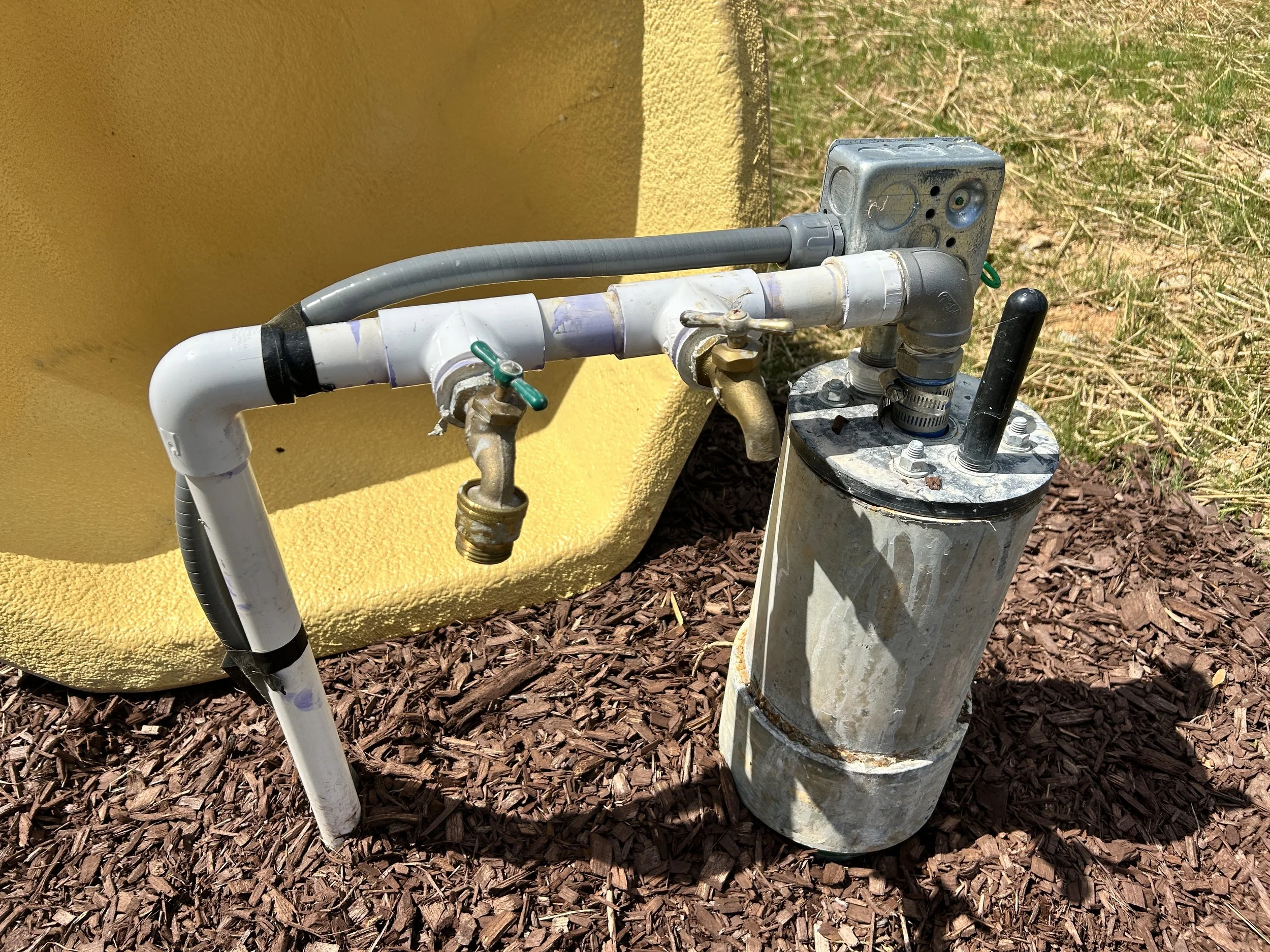
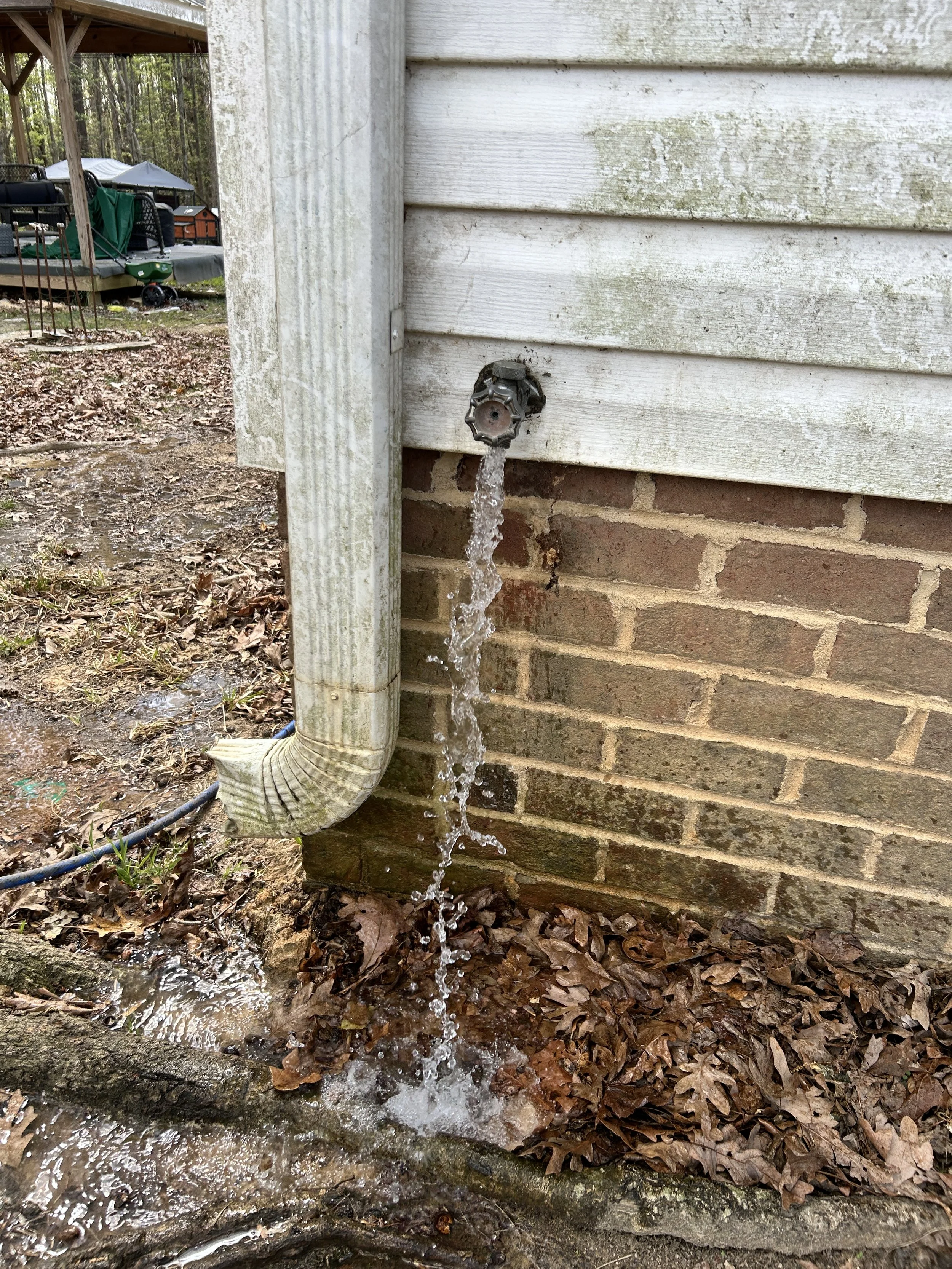
A trained technician collects the sample on-site as a disinterested third party and submits it to a North Carolina state-certified laboratory under chain of custody.
Step 3
FHA-formatted reporting is sent to the appropriate parties for underwriting and closing. If the sample fails, corrective action, retesting, and recertification can be coordinated to help keep the file moving.
What FHA Buyers and Real Estate Professionals Are Saying
⭐⭐⭐⭐⭐ 4 months ago
Professional well water testing in North Carolina that underwriters accept.
⭐⭐⭐⭐⭐ 6 months ago
Professional well water testing in North Carolina with results accepted by underwriters.
⭐⭐⭐⭐⭐ 5 months ago
Reliable, professional well water testing in North Carolina with lender-accepted results.
Fast, FHA-focused well water testing across North Carolina with disinterested third-party sampling, certified lab analysis, and lender-ready documentation built for real estate closings.
Well Water NC
8312 Harps Mill Rd
Raleigh, NC 27615
Well Water NC Hours of Operation:
Monday 9:00 AM to 6:00 PM
Tuesday 9:00 AM to 6:00 PM
Wednesday 9:00 AM to 6:00 PM
Thursday 9:00 AM to 6:00 PM
Friday 9:00 AM to 6:00 PM
Saturday By appointment
Sunday Closed