
Well Water Disinfection in North Carolina
Shock chlorination, retesting, and lender-ready recertification for failed water tests in North Carolina real estate transactions. Built to clear underwriting conditions and keep closings on track.
Request Disinfection
Next-Day Retesting and Closing Coordination
When closings are tight, every day matters. Well Water NC offers priority scheduling for disinfection services and coordinates next-day retesting wherever possible.
Priority disinfection is most commonly used when:
A closing date is at risk after a failed water test
Underwriting conditions for corrective action were issued late
A previous disinfection attempt didn't clear the test
The buyer or seller needs the property documented as quickly as possible
Same-day or next-day disinfection scheduling is subject to property location, access conditions, and current demand. Call 984-301-6223 to confirm availability for your transaction.
Pay-At-Closing for Disinfection Services
Pay-at-closing is available for qualified transactions, allowing disinfection and recertification fees to be deferred until settlement.
Payment is deferred until closing
Must be coordinated with the closing attorney or escrow officer in advance
Must be reflected on the closing disclosure or escrow instructions
Does not delay disinfection, retesting, or reporting
This option helps keep transactions moving when upfront payment timing becomes a problem after a failed water test.
When Well Water Disinfection Is Required
Well water disinfection through shock chlorination is commonly required when:
A water test fails for total coliform bacteria or E. coli
The property has been vacant or unused for an extended period
Plumbing repairs, well work, pump replacement, or pressure tank work has occurred
Flooding, surface water intrusion, or contamination risk is present
A new well has been constructed (most well drillers chlorinate as standard practice)
Lenders require corrective action before closing
This is a standard step in many VA, FHA, USDA, and conventional loan transactions involving private wells. Most failed water tests in real estate transactions are bacterial — not chemical — and shock chlorination is the recognized first-line corrective action.
Well Water Disinfection for Failed Real Estate Water Test
Well water disinfection and shock chlorination in North Carolina designed specifically for real estate transactions, failed water tests, and loan underwriting requirements. This service is used when bacterial contamination is identified and corrective action is required to move a file forward.
This is not routine maintenance. Every disinfection service is structured to support lender acceptance, recertification, and closing timelines for VA, FHA, USDA, and conventional loan transactions.
What Shock Chlorination Does
Shock chlorination is a recognized disinfection method used to eliminate bacterial contamination in private well systems. The process introduces a high concentration of chlorine — 100 to 400 times stronger than the chlorine in city water — into the entire well and plumbing system, then flushes the system clean after a required contact period.
Shock chlorination targets:
The well casing and water column
Plumbing and distribution lines from the well to the house
All fixtures and connected components, including outdoor faucets and hose bibs
The water heater and pressure tank
Toilets, showers, and tap points throughout the home
Shock chlorination is most effective when bacterial contamination has been introduced through repairs, surface intrusion, or system inactivity. It is not effective as a long-term solution when contamination originates from the groundwater source itself — that situation requires a continuous treatment system, structural well repair, or a different remediation approach.
Well Water NC identifies the likely cause of contamination during the disinfection visit and advises whether shock chlorination is appropriate or whether deeper investigation is needed.
Frequently Asked Questions
-
Well water disinfection is a corrective process — most commonly shock chlorination — that introduces a high concentration of chlorine into a private well and plumbing system to eliminate bacterial contamination. The chlorine circulates through the casing, plumbing, fixtures, and connected components, then is flushed out completely before the well is returned to use.
-
Shock chlorination is a single high-dose chlorine treatment used to disinfect a private well water system. The chlorine concentration is 100 to 400 times stronger than the chlorine in municipal water. It's the recognized first-line corrective action for failed bacterial water tests in real estate transactions.
-
Well water disinfection is typically required after a failed bacterial test for total coliform or E. coli, after well repairs or pump replacement, after extended vacancy, after flooding or contamination events, or as a standard step following new well construction. In real estate, it's most often required to clear a failed VA, FHA, USDA, or conventional loan water test.
-
No. Shock chlorination is a corrective step, not a guaranteed result. Certification is only issued after a follow-up sample is collected, analyzed by a certified laboratory, and confirmed to meet required standards. Shock chlorination is most successful when contamination was introduced through specific events like repairs or vacancy, and less successful when the contamination originates from the groundwater source itself.
-
The active disinfection visit takes a few hours, but the full process requires a contact period of 8 to 24 hours during which the home is without usable water. After flushing, a stabilization period of 5 to 7 days is typically recommended before the retest sample is collected. Total time from disinfection to passing retest is usually 7 to 10 days.
-
Yes. The home is without usable water during the contact period — typically 8 to 24 hours. Disinfection visits are usually scheduled in the evening or overnight so the system is ready for use the following day. Drinking, bathing, and cooking water should be arranged separately during the contact period.
-
Not always. Shock chlorination is highly effective for one-time contamination events — repairs, vacancy, flooding. It is not a permanent solution if the source of bacteria is the groundwater itself or if there is a structural problem with the well casing or cap. Recurring contamination usually requires structural repair or installation of a continuous treatment system.
-
No. The system must be fully flushed of chlorine, and a follow-up water sample should be tested and confirmed to meet drinking water standards before the water is used for drinking, cooking, or bathing. The full process from disinfection to safe-to-drink certification typically takes 7 to 10 days.
-
If a follow-up test still shows bacterial contamination, the well likely has a deeper problem than shock chlorination can fix. Possible causes include a damaged well cap, structural issues with the casing, surface water intrusion, or contamination in the groundwater source. Additional corrective action — structural repair or continuous treatment — is needed before another retest. Well Water NC helps identify the underlying cause and the appropriate next step.
-
Yes, when properly documented. VA, FHA, USDA, and most conventional lenders accept shock chlorination followed by a passing certified lab retest as acceptable corrective action for failed bacterial water tests. The key is documentation: the original failed test, the disinfection record, and the passing retest must all be included in the loan file.
-
No. USDA Handbook 3555 specifies that properties requiring a water treatment system to meet potability standards are not eligible for USDA financing. The source water itself must pass after corrective action — filtration is not an acceptable workaround under USDA rules. FHA and VA are more flexible on continuous treatment systems for ongoing concerns.
-
Pricing depends on well size, system complexity, location, and whether retesting is bundled with the disinfection service. Pay-at-closing options are available for qualified real estate transactions. Call 984-301-6223 for a quote tied to your specific situation.
How the Disinfection Process Works
Well water disinfection follows established procedures used by state health departments, university extension services, and certified well professionals across the country. Here's what happens during a disinfection visit:
Important: The home is without usable water during the contact period. Disinfection services are scheduled to minimize disruption—often overnight —so the system is ready for use the next day.
-
Visual inspection of the wellhead, well cap, and pressure tank to identify obvious contamination sources
Power to the pump is turned off and treatment equipment (carbon filters, softeners) is bypassed to prevent damage
A measured chlorine solution — either liquid sodium hypochlorite or calcium hypochlorite — is introduced based on well diameter and water column depth
The system is circulated to distribute chlorine through the casing, plumbing, and fixtures
Chlorinated water is run through every faucet and fixture until a strong chlorine odor is detected at each point
The system is left to sit for the required contact period — typically 8 to 24 hours, with longer contact times producing better results
The system is fully flushed afterward, with chlorinated water directed away from septic systems, landscaping, and water bodies
Documentation of the disinfection process is prepared for the loan file
Follow-Up Testing and Recertification
Shock chlorination alone does not clear a loan file. After disinfection and full system flushing, a new water sample must be collected, analyzed by a certified laboratory, and shown to meet required standards for the loan to close.
The recertification sequence:
Wait period after flushing to allow the system to stabilize (typically 5 to 7 days, with normal water use during that time)
New water sample collected by a disinterested third party
Chain-of-custody documented from sample collection through lab delivery
Sample analyzed by a North Carolina state-certified laboratory
New certified lab report issued
Lender-ready certification compiled with the original failed test, corrective action documentation, and passing retest
Certification is issued only when retest results meet VA, FHA, USDA, or conventional loan standards. If contamination remains after disinfection, additional corrective action is required — and Well Water NC can help identify the underlying cause.
When Shock Chlorination Won't Work
Shock chlorination is highly effective when bacterial contamination has been introduced through specific events — repairs, vacancy, flooding, fixture-level contamination. It is not effective as a long-term solution when the source of contamination is in the groundwater itself.
In these situations, possible solutions include structural repair of the wellhead, well casing replacement, deeper drilling, or installation of a continuous disinfection system (UV treatment or continuous chlorine drip). USDA loans have a stricter rule worth knowing: properties that require a water treatment system to meet potability standards are not eligible for USDA financing. The well must produce safe water at the source after corrective action — filtration is not an acceptable workaround for USDA. FHA and VA are more flexible on continuous treatment systems.
Well Water NC can identify when shock chlorination is appropriate and when a deeper fix is needed before recommending the path forward for the loan file.
-
Repeated bacterial failures even after multiple chlorination treatments
A damaged or missing well cap, broken well casing, or improperly installed pitless adapter
Surface water visibly intruding into the well during rain events
A well casing that terminates too close to ground level
Known contamination in nearby wells suggesting an aquifer-level problem
Coordinated Disinfection, Retesting, and Closing Support
Most companies will either test water or perform disinfection — rarely both.
This is built specifically for real estate timelines. When a closing is on the line, scheduling the disinfection, the wait period, and the retest as a single coordinated service is what keeps deals from resetting.
-
Failed test confirmation and review
Shock chlorination scheduled around closing timelines
System flushing and stabilization period
Disinterested third-party retest sample collection
Certified laboratory analysis
Lender-ready recertification documentation including original failed test, corrective action, and passing retest
Direct delivery to lender, real estate agent, closing attorney, or buyer
How Our Well Water Disinfection Process Works
Well Water NC provides private well water disinfection and corrective action services for real estate transactions involving failed bacteria water tests, lender-required retesting, and underwriting conditions affecting VA, FHA, USDA, and conventional loan closings throughout North Carolina.
The disinfection process is structured to help buyers, sellers, real estate agents, lenders, mortgage companies, and closing attorneys move quickly after a failed water test by providing organized corrective action procedures, independent third-party retesting, and lender-ready recertification documentation designed to help keep the transaction moving forward.
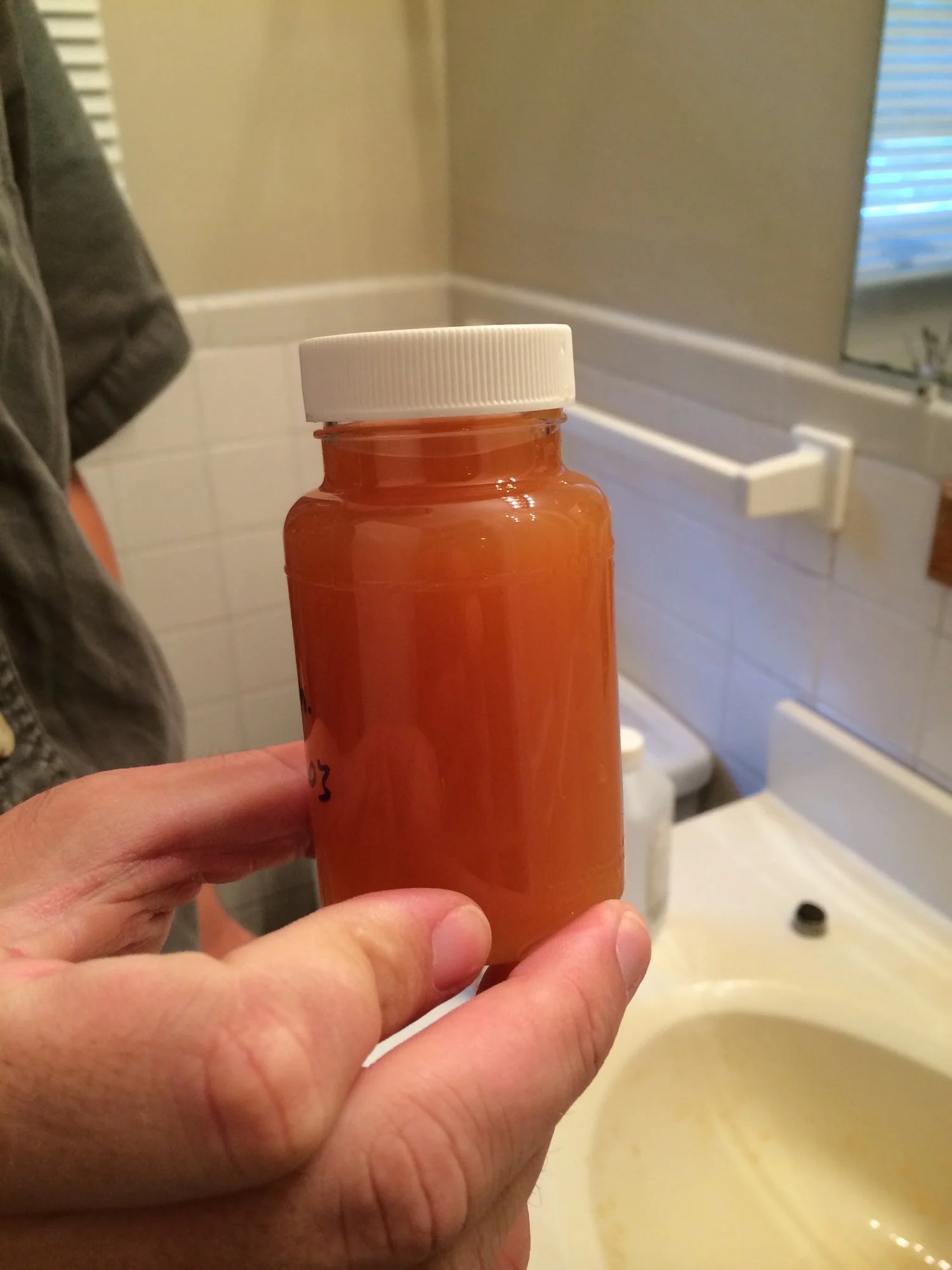
1. Schedule the Disinfection Service & Review Failed Results
Call or submit the service request form with the property address, loan type, closing timeline, lender or agent contact information, and the failed laboratory report. Failed results are reviewed to determine the appropriate corrective action process, and the property is scheduled for service based on closing deadlines and laboratory coordination. A visual observation of the wellhead and accessible system components may also be performed to identify observable conditions that could affect disinfection or retesting procedures.
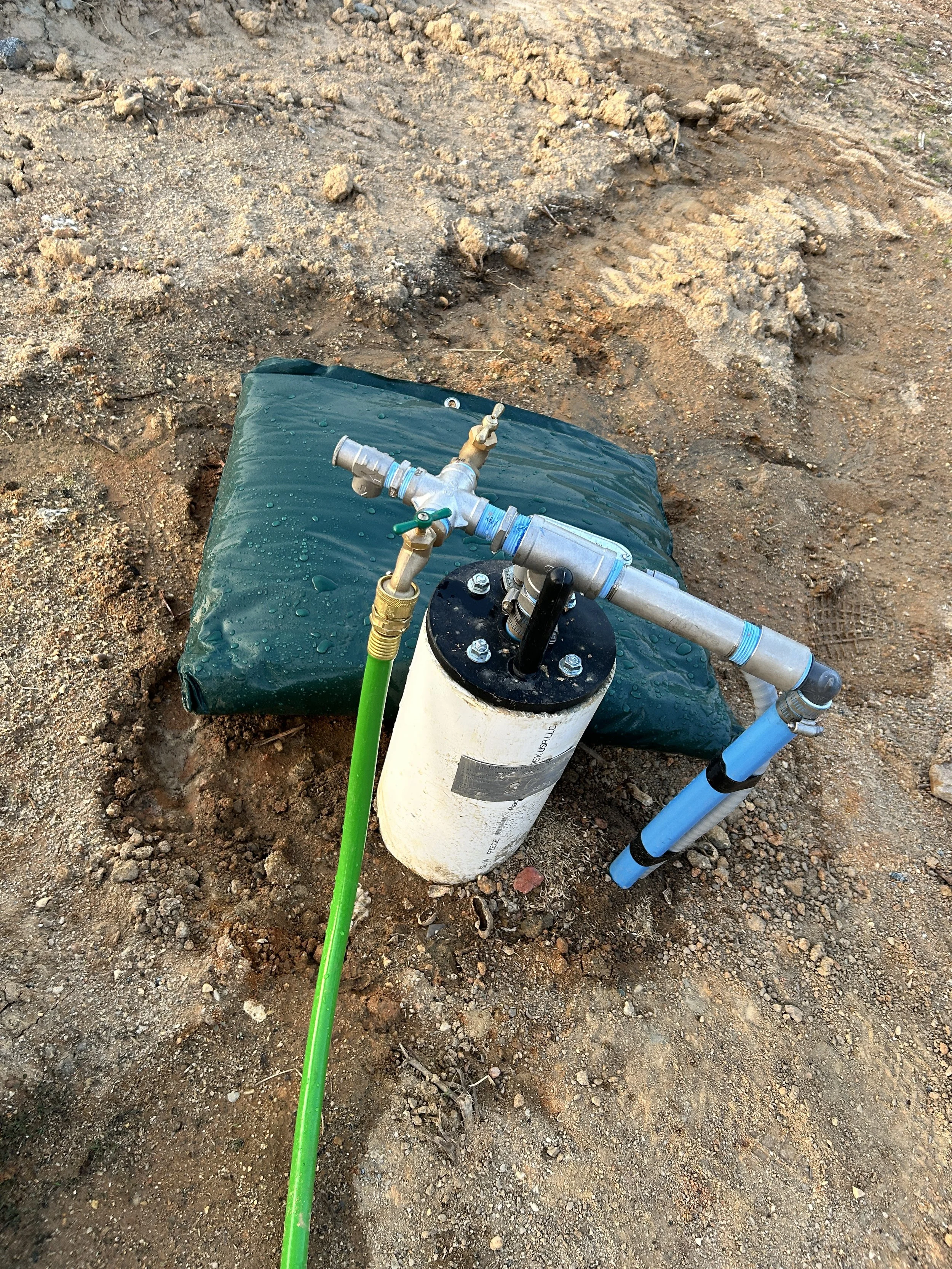
2. Perform Well Disinfection & System Flushing
A trained Well Water NC representative performs private well disinfection using established shock chlorination and system flushing procedures commonly used for corrective action following failed Total Coliform or E. coli water test results.
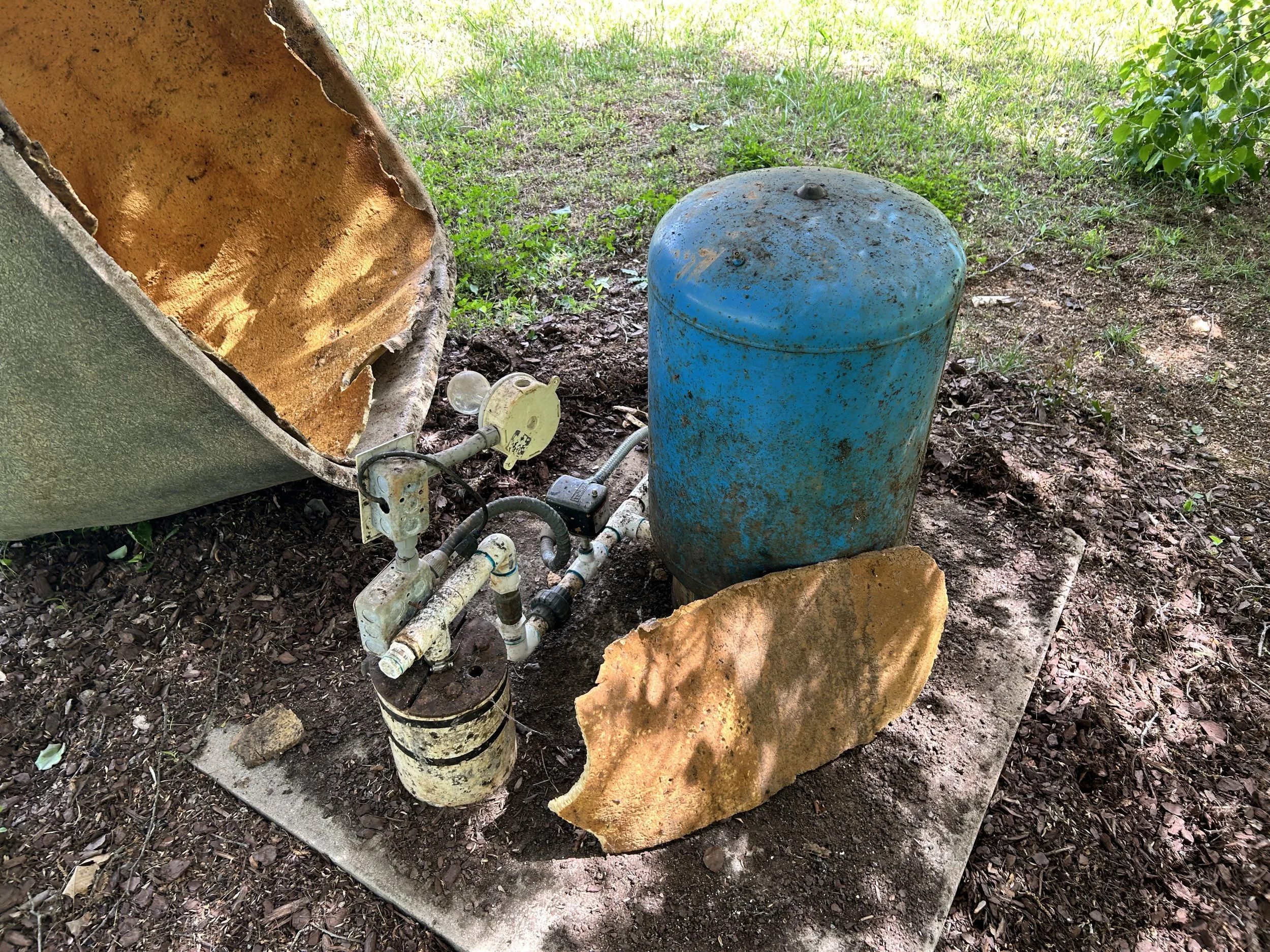
3. Independent Third-Party Retesting & Recertification
Following the stabilization period, a new private well water sample is collected by an independent third-party representative using documented chain-of-custody procedures and submitted to a North Carolina state-certified / EPA-recognized laboratory for analysis.
Once passing laboratory results are received, lender-ready recertification documentation is prepared and delivered to the lender, underwriter, agent, buyer, seller, mortgage company, or closing attorney as requested.
Accreditations and Compliance
All disinfection follows recognized procedures used by state health departments, university extension services, and certified well professionals. Retesting is performed under chain of custody by disinterested third parties using North Carolina state-certified laboratories. Documentation aligns with VA Minimum Property Requirements, HUD Handbook 4000.1, and USDA Handbook 3555.
Display credentials for:
Recognized Shock Chlorination Procedures
NC State-Certified Laboratory Partner
Disinterested Third-Party Field Service
Chain-of-Custody Documentation
What Real Estate Professionals Are Saying
⭐⭐⭐⭐⭐ 12 weeks ago
Top well water testing company in North Carolina for VA, FHA, and real estate transactions.
⭐⭐⭐⭐ 4 weeks ago
Best choice in North Carolina for well water testing for VA, FHA, and real estate closings.
⭐⭐⭐⭐ 1 weeks ago
Best well water testing in North Carolina for VA, FHA, and closings.
Failed Water Test? Need Disinfection Before Closing?
Call now or request service online. Same-day response for failed water test situations across North Carolina. Shock chlorination, coordinated retesting, lender-ready recertification.