
USDA Well Water Testing in North Carolina
Well Water Testing for USDA
USDA Real Estate Water Testing
Next-Day USDA Real Estate Water Testing
Next-Day USDA Water Testing
For tight closing deadlines, next-day reporting is available for USDA water tests in North Carolina. Turnaround is calculated from laboratory drop-off and is subject to lab cutoff times, business hours, and sample location.
Next-day service is most commonly used when:
Closing dates are within 24 to 48 hours
USDA underwriting conditions are issued late in the process
A previous water test was rejected by the lender or has expired
An environmental event before closing requires retesting
Call 984-301-6223 to confirm same-day or next-day availability for your USDA transaction.
Pay-At-Closing for USDA Transactions
Pay-at-closing is available for qualified USDA transactions, allowing the testing fee to be deferred until settlement.
Payment is deferred until closing
Must be coordinated with the closing attorney or escrow officer in advance
Must be reflected on the closing disclosure or escrow instructions
Does not delay testing or reporting
This option helps keep USDA transactions moving when upfront payment timing becomes a problem for the buyer.
USDA-focused well water testing for North Carolina real estate closings. We provide professional third-party sample collection, certified laboratory analysis, and lender-ready documentation designed to support USDA loan underwriting and keep rural property closings on schedule
Water Testing Scheduling
USDA Well Water Testing for Real Estate Transactions
We provide private well water testing built specifically for USDA loan files and rural real estate transactions in North Carolina. This service is designed for buyers, sellers, agents, lenders, and closing professionals who need clear reporting, dependable scheduling, and documentation that supports loan approval.
This is not general homeowner testing. The service is structured around closing timelines, underwriting conditions, and the documentation standards commonly required for private well properties in financed transactions.
Frequently Asked Questions
-
Yes. USDA Rural Development loans require a private well water test when the property is served by a private well. The water must meet local or state health authority standards, or EPA Maximum Contaminant Levels (MCLs) where neither apply. Requirements come from USDA Handbook 3555.
-
The standard USDA well water test screens for total coliform bacteria, E. coli, nitrates, nitrites, and lead. Test results must meet or exceed EPA Maximum Contaminant Levels: 10 mg/L for nitrates, 1 mg/L for nitrites, and 0.015 mg/L for lead. Coliform and E. coli must be absent. Additional parameters may be required by the lender, underwriter, or local health authority.
-
A USDA well water test must be valid at the time of loan closing. There is no fixed 90-day validity rule like FHA and VA, but most lenders use a 60 to 90 day practical window. Final validity is at the underwriter's discretion. If an environmental event (flooding, chemical spill) occurs before closing, retesting is required regardless of prior results.
-
The sample must be collected by a disinterested third party — typically a local health authority or a state-certified laboratory. The buyer, seller, real estate agent, and anyone with financial interest in the transaction cannot collect the sample. Mail-in self-collection kits do not satisfy USDA requirements.
-
No. USDA Handbook 3555 specifically states that properties requiring a water treatment system to meet potability standards are not eligible for USDA financing. The source water itself must pass without treatment. This is one of the strictest rules in USDA lending and is what separates USDA from FHA and VA on water quality.
-
USDA defers to HUD Handbook 4000.1 for setback requirements. The well must be at least 10 feet from the property line, 50 feet from a septic tank, and 100 feet from a septic drain field (or 75 feet if allowed by local authority). The well should be located on the subject property; wells on adjacent property require additional documentation including water rights and recorded maintenance agreements.
-
A failed USDA water test does not automatically disqualify the property. Corrective action — typically well disinfection (chlorination), system flushing, or minor repairs — is performed at the source, followed by a new sample and a new certified lab test. Filtration systems are not acceptable substitutes. Once results meet USDA standards, certification is issued and the loan can move forward.
-
Yes. USDA shared well requirements include a binding well-sharing agreement recorded by closing, provisions for maintenance and repair, a permanent easement for access, and a shut-off valve on each dwelling service line. The shared well must serve no more than four living units (unless approved by local code) and must provide continuous safe water to all served families.
-
USDA Rural Development loans are only available for properties in USDA-designated rural areas, so by definition these tests are for rural properties. Buyers can verify USDA eligibility through the USDA Rural Development eligibility map. Many North Carolina counties — including Granville, Caswell, Rockingham, Stokes, Johnston, Wayne, Nash, Edgecombe, Moore, Randolph, and Montgomery — have substantial USDA-eligible areas.
-
Pricing varies based on parameters tested, location, and turnaround speed. Well Water NC offers pay-at-closing options for qualified USDA transactions. Call 984-301-6223 for a quote tied to your specific closing
-
Yes. Next-day reporting is available for time-sensitive USDA closings, subject to lab cutoff times and rural property location. This is commonly used when underwriting conditions are issued late or when a previous test has expired.
Disinterested Third Party — Why It Matters for USDA
USDA loans require that water samples be collected by a disinterested third party — typically a local health authority or a state-certified laboratory. This means:
Well Water NC technicians are independent third parties working with North Carolina state-certified laboratories. Sample collection, chain-of-custody documentation, and lab submission are handled by trained personnel who do not represent the buyer, seller, or any party in the transaction.
-
The buyer cannot collect the sample
The seller cannot collect the sample
The real estate agent cannot collect the sample
A relative or party with financial interest in the transaction cannot collect the sample
Self-collected mail-in test kits do not satisfy USDA requirements
What Happens if the Water Test Fails
A failed water test does not always end the transaction. Your site already explains that corrective action, disinfection, retesting, and recertification services are available to support financed real estate closings when a bacterial issue or other water quality problem is found
Common causes of failed USDA water tests:
After corrective action, a new water sample is collected, and a new certified laboratory report is issued if the updated result meets the required standards.
-
System inactivity from a vacant rural property
Recent plumbing changes or repairs
Bacteria introduced at fixtures rather than the well itself
Seasonal or environmental conditions
Flooding or weather affecting the wellhead (USDA requires retesting when this occurs)
-
Well disinfection through chlorination
System flushing
Minor system adjustments or wellhead repairs
-
A new water sample is collected
A new chain-of-custody is documented
A new certified laboratory report is issued
Final certification is provided once results meet USDA standards
What's Tested in a USDA Well Water Test
For most USDA real estate transactions, the well water panel includes the basic potability indicators commonly requested for loan underwriting. Your site states that these commonly include total coliform bacteria, E. coli, nitrates, nitrites, and lead, with added parameters when required by the lender or file conditions.
All samples should be collected using proper procedures and documented chain of custody so the final report is more useful for underwriting and closing review. USDA test results must meet or exceed EPA minimum thresholds for all four parameters. Additional testing may be required by the lender, underwriter, or local health authority — particularly in counties with known water quality concerns such as the Carolina Slate Belt (arsenic) or areas with high manganese, iron, or low pH.
All sampling follows EPA-recognized procedures and is submitted to a North Carolina state-certified laboratory under chain of custody. Results are returned formatted for USDA lender and underwriter review.
-
Total Coliform — the primary indicator of contamination in the well system
E. coli — indicates fecal contamination and is an immediate USDA disqualifier
Nitrates — EPA MCL is 10 mg/L
Nitrites — EPA MCL is 1 mg/L
Lead — EPA MCL is 0.015 mg/L (15 parts per billion)
USDA Water Test Requirements
For USDA loan transactions involving a private well, the water supply must be shown to be safe and acceptable for residential use before closing. Lenders and underwriters often require certified laboratory results and supporting documentation for the loan file.
Well Water NC is structured to meet every USDA requirement, including the critical distinction that rules out water treatment systems as a substitute for source water quality.
-
Water quality testing for potability
Proper sample collection and documentation
Certified laboratory reporting
Retesting when the original sample does not pass
Additional documentation when other property or water system issues are identified
Why Proper Sample Collection Matters
Your website emphasizes that proper sampling, chain of custody, and documentation are just as important as the lab result itself, and that non-compliant collection can create lender issues or closing delays. That point should be high on the USDA page because many visitors do not realize that an incorrect sample can lead to rejection even when the water itself is acceptable.
USDA Well Water Testing Setback and Location Requirements
These setbacks must be verified for a USDA loan to close.
The well should be located on the subject property. If the well is located on adjacent property, additional documentation is required — including evidence of water rights and a recorded maintenance agreement retained in the lender's permanent loan file.
These requirements are typically verified during the appraisal process, separate from the water test itself. Wells that do not meet setback requirements may require additional documentation or remediation before the loan can close.
-
10 feet from the property line
50 feet from a septic tank
100 feet from a septic drain field (or 75 feet if allowed by local authority)
What's Included in a USDA Water Testing File
-
Private well water quality certification
Certified laboratory report from a North Carolina state-certified lab
Chain-of-custody documentation
Sampling location statement
Failed sample, corrective action, and passing retest documentation (when applicable)
Flow rate and pressure observations (when requested by lender)
USDA-formatted summary suitable for Handbook 3555 underwriting review
Documentation is structured so the underwriter doesn't have to interpret raw lab data. Everything required to support USDA underwriting review is included in one organized package.
How Our USDA Water Testing Process Works
Step 1: Schedule
Provide the property address, loan type, contact information, and closing timeline so the request can be set up correctly.
Step 2: Sample and Submit
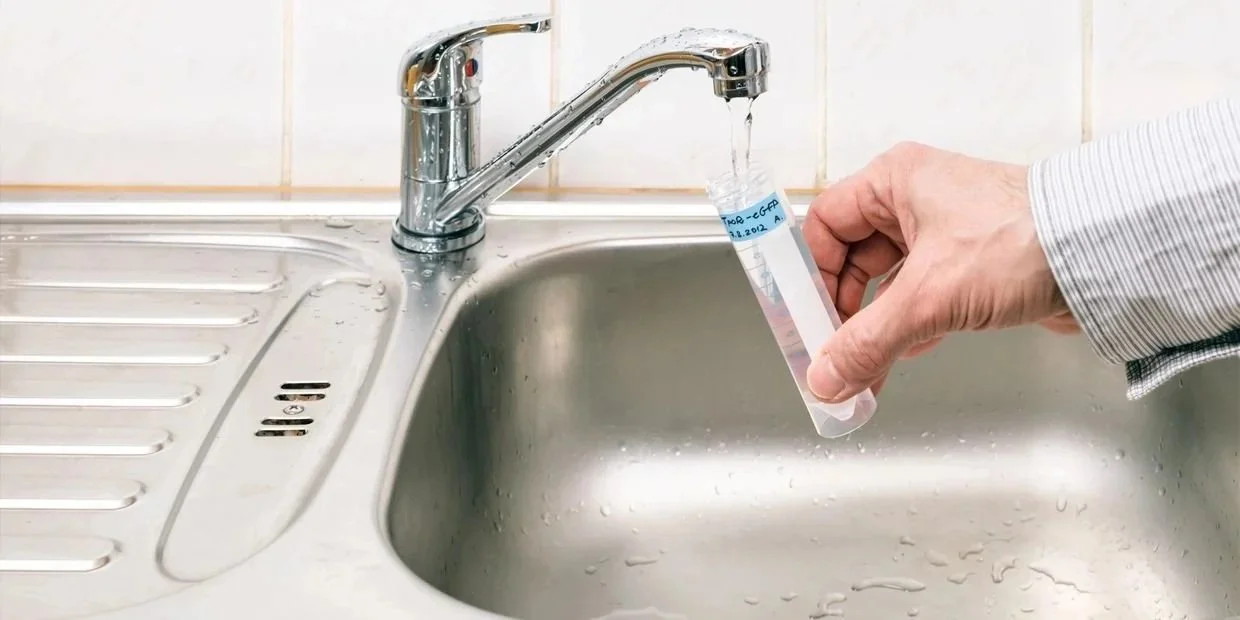
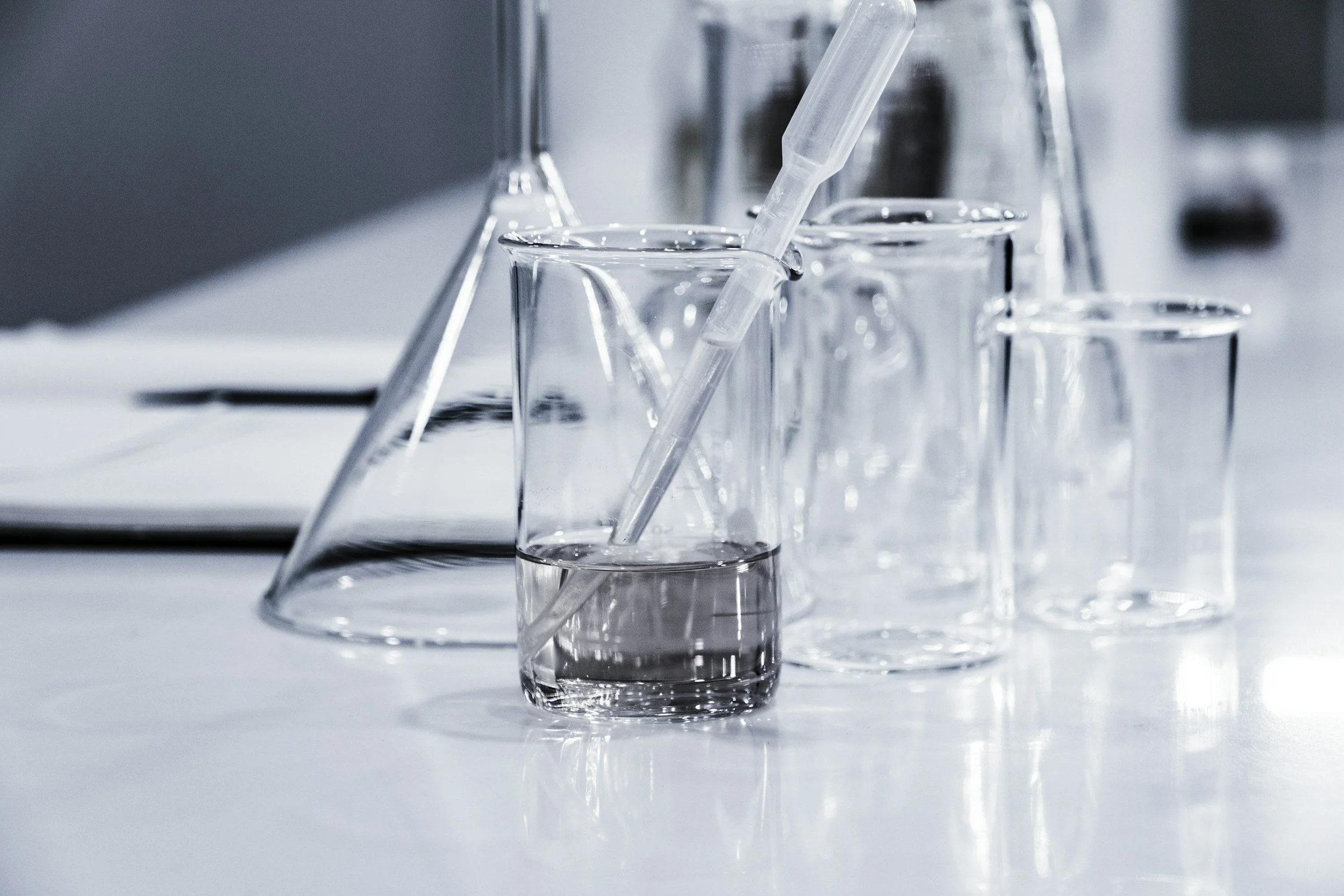
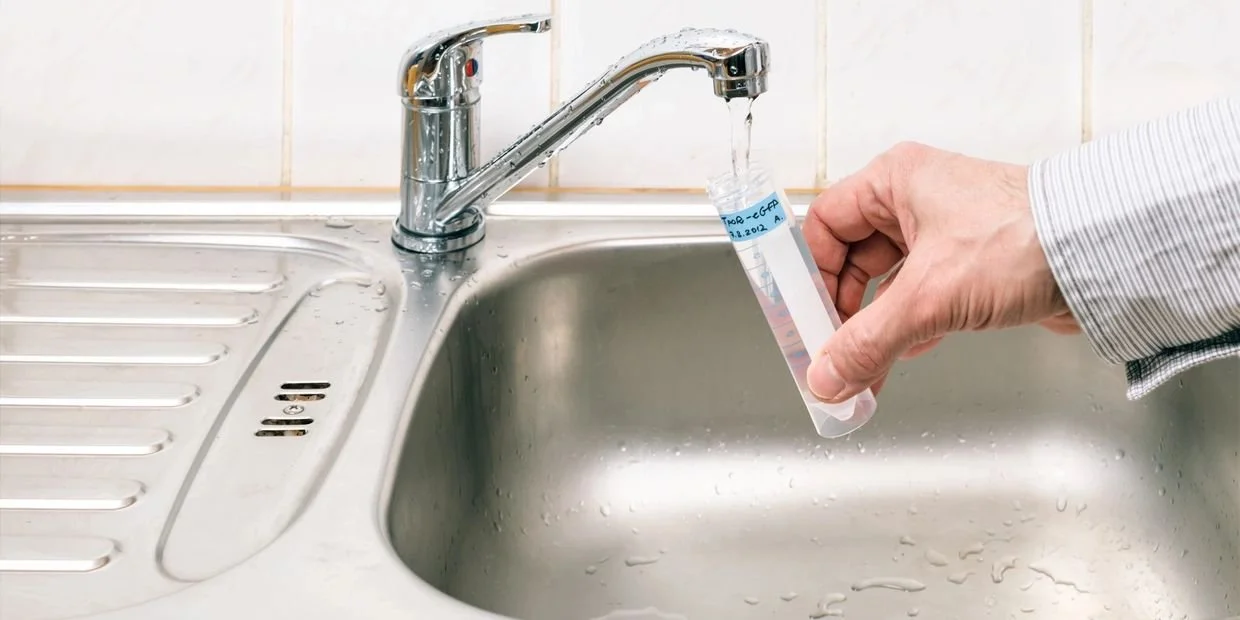
A trained technician collects the well water sample on-site and submits it to a North Carolina state-certified or EPA-recognized laboratory using documented procedures designed to support lender review.
Step 3: Deliver and Close
Clear documentation is delivered for the buyer, agent, lender, or closing party so the file can continue moving through underwriting and settlement.
Related USDA Closing Services
-
Next-day well water certification
Well flow rate testing
Well, disinfection and recertification
What USDA Buyers and Real Estate Professionals AreSaying
⭐⭐⭐⭐⭐ 10 weeks ago
We needed well water testing for an FHA loan right before closing. Mike scheduled next-day service and delivered results fast. His knowledge of the process was a huge help and kept our closing on track.
⭐⭐⭐⭐ 10 weeks ago
Well Water NC handled our FHA well water test right before closing. Mike showed up next day and got results back fast. He understands the loan process and kept everything on track.
⭐⭐⭐⭐ 10 weeks ago
We used Well Water NC before closing on our FHA loan. Mike responded quickly, scheduled next-day service, and delivered results on time. His knowledge of the loan process made everything smooth.
Need a USDA Well Water Test for Your Closing?
Fast, real estate-focused well water testing in North Carolina with certified lab analysis, proper documentation, and service designed to support USDA loan closings.
Well Water NC
8312 Harps Mill Rd
Raleigh, NC 27615
Well Water NC Hours of Operation:
Monday 9:00 AM to 6:00 PM
Tuesday 9:00 AM to 6:00 PM
Wednesday 9:00 AM to 6:00 PM
Thursday 9:00 AM to 6:00 PM
Friday 9:00 AM to 6:00 PM
Saturday By appointment
Sunday Closed